Pepsin for Protein Hydrolysates | Controlled Acidic Protein Cleavage
Industrial pepsin for acidic protein hydrolysate workflows, peptide generation, viscosity reduction, flavor systems, and specialty protein ingredient processing.
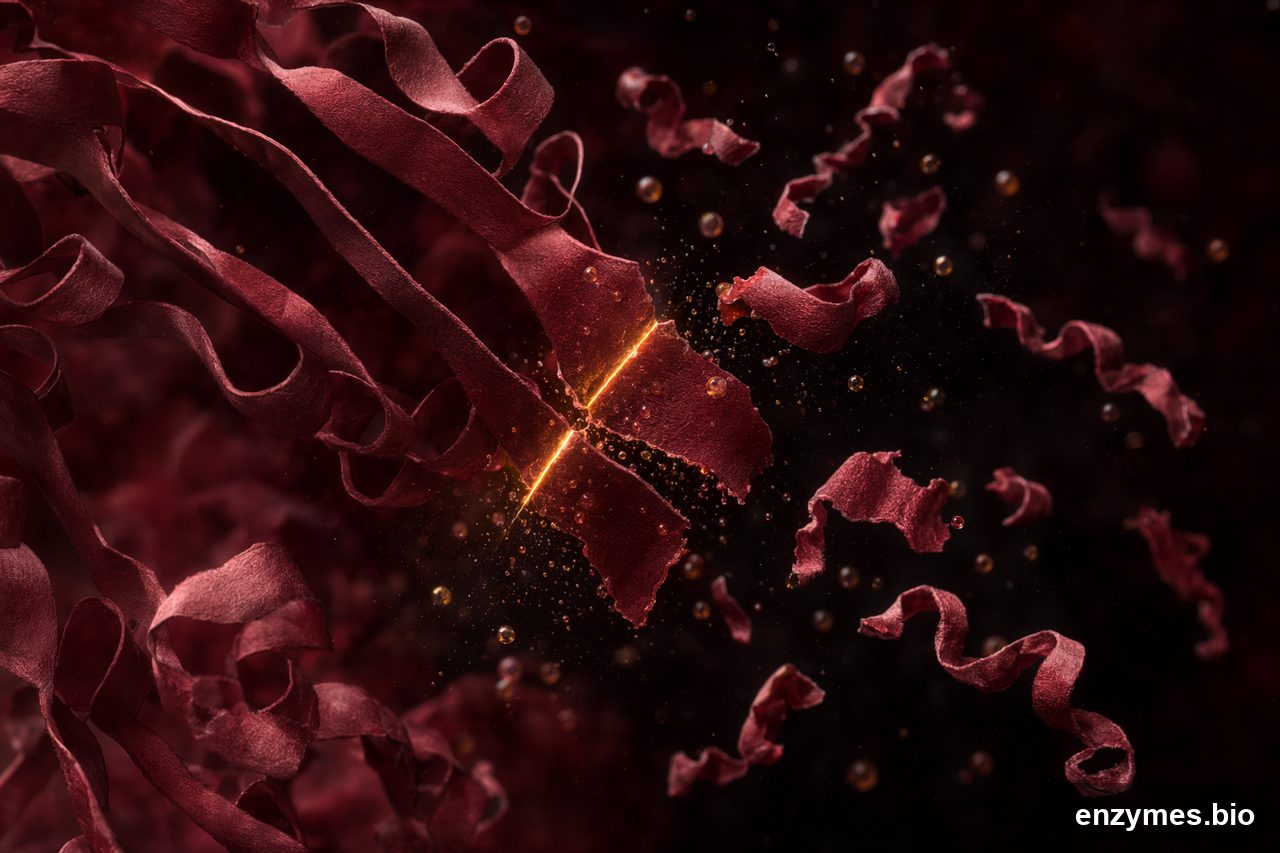
Pepsin is built for the acidic edge of protein processing. In controlled low-pH systems, it cleaves proteins into smaller peptide fractions that can support functional protein ingredients, savory flavor systems, nutritional blends, and specialty hydrolysate programs.
Mordant supplies Pepsin (Aspartic Endopeptidase) for manufacturers that need practical process fit: predictable acidic performance, lot-to-lot control, clear origin documentation, and procurement support without unnecessary noise.
Why pepsin in hydrolysate production
Pepsin is selected when a hydrolysis process is designed around acid conditions rather than neutral or alkaline proteolysis. That matters when the substrate, flavor target, microbial control strategy, or downstream process benefits from a low-pH operating window.
Industrial advantages
Acid-compatible proteolysis for protein streams already adjusted into low-pH conditions.
Targeted peptide generation where smaller fragments are required for solubility, processability, or flavor development.
Viscosity reduction in dense protein slurries, supporting easier pumping, mixing, separation, and drying.
Process integration with acidified extraction, denaturation, flavor reaction, or preservation steps.
Controlled stop points through heat treatment, pH shift, or downstream separation depending on the finished specification.
Typical hydrolysate applications
Pepsin can be evaluated across multiple protein-processing routes, including:
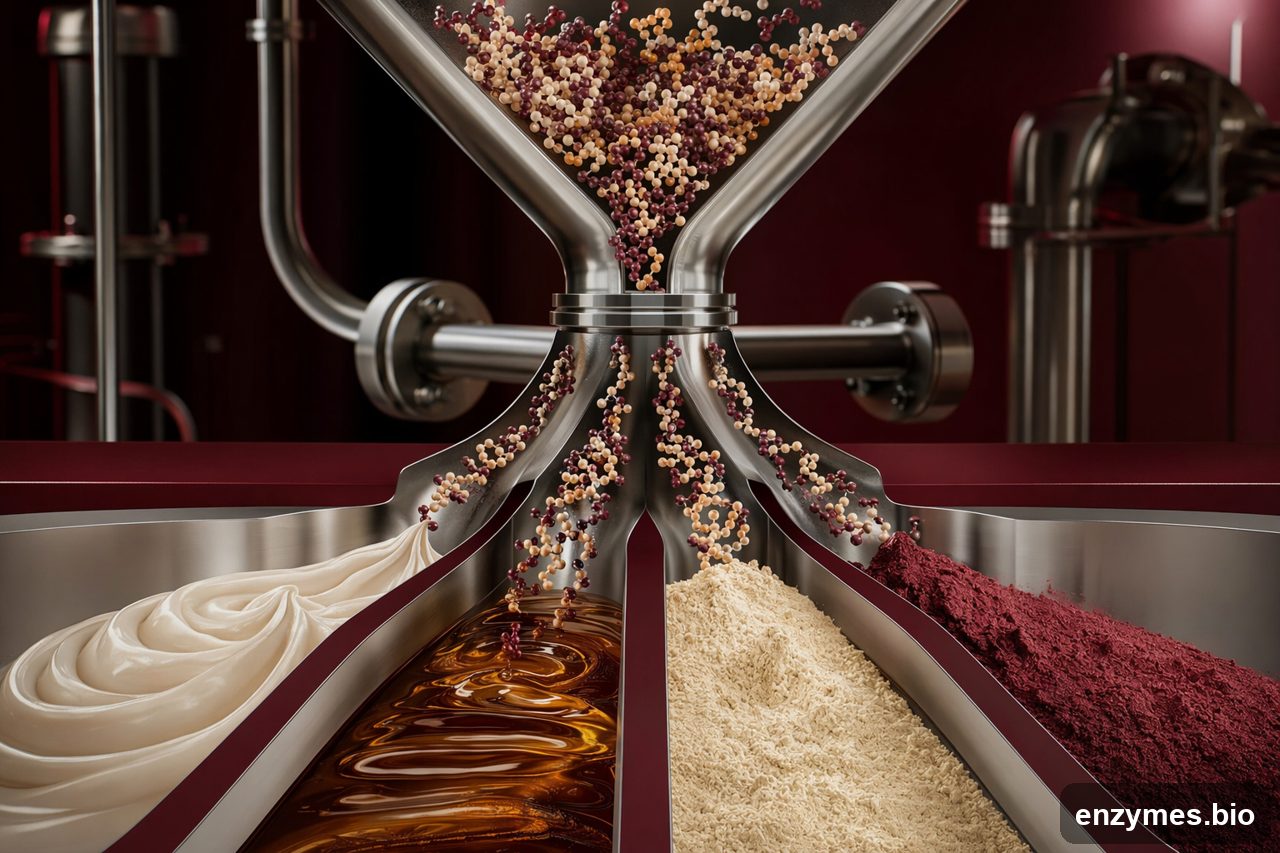
Functional protein hydrolysates for food and ingredient systems
Savory flavor bases, reaction flavor precursors, and seasoning substrates
Nutritional protein blends requiring controlled peptide profiles
Collagen, gelatin, and animal-derived protein hydrolysate workflows
Specialty hydrolysates where acid processing is preferred over neutral protease systems
Pre-treatment steps before secondary enzymatic modification
Performance depends on substrate composition, pre-treatment, solids loading, pH control, process temperature, contact time, and downstream kill or separation design. Mordant supports buyers with practical grade selection and sampling guidance for internal validation.
Process factors that shape peptide outcome
Pepsin does not perform in isolation. It responds to the full hydrolysis environment.
Substrate condition
Protein source, particle size, prior heat treatment, collagen structure, fat level, mineral content, and denaturation state can all shift the hydrolysis curve. A well-prepared substrate usually gives a cleaner reaction window and a more repeatable peptide profile.
Acidity control
Pepsin is an acid protease. Tight pH management is central to predictable cleavage, especially during scale-up where buffering capacity and mixing gradients can create uneven reaction zones.
Enzyme addition strategy
Addition timing, dispersion method, and batch contact profile influence hydrolysis speed and consistency. For viscous slurries, pre-dilution and controlled mixing often prevent localized over-processing.
Hold time and stop point
Hydrolysis is usually managed to a target functional or sensory endpoint: solubility, bitterness threshold, viscosity, filtration behavior, nitrogen distribution, peptide profile, or flavor precursor development. The stop point should be validated against the finished product specification, not just the clock.
Downstream handling
After hydrolysis, processors may clarify, centrifuge, filter, concentrate, blend, pasteurize, or dry the stream. Pepsin selection should account for the entire line, not only the reactor step.
What Mordant supplies
Mordant provides industrial pepsin for B2B hydrolysate programs where documentation, repeatability, and procurement continuity matter.
Available support may include:
Commercial grade recommendation based on substrate and process route
Sample coordination for bench and pilot trials
Lot documentation and specification review
Origin and traceability details for qualification files
Packaging guidance for production-scale handling
Technical discussion for acidic hydrolysis workflow design
We do not frame pepsin as a consumer digestive ingredient. This is an industrial protease for controlled protein modification under acidic process conditions.
Buyer checklist for pepsin hydrolysate projects
Before requesting pricing, define the process target as clearly as possible:
Protein source and incoming material format
Current or intended pH window
Batch, continuous, or semi-continuous process design
Finished product requirements and documentation needs
Forecast volume, trial volume, and packaging preference
A sharper brief leads to faster grade selection and cleaner commercial discussions.
Request pricing
Use the form below to request a quote, sample discussion, or technical fit review for pepsin in protein hydrolysate production. Leads go directly to Mordant’s own team.