Technical Reference
Choosing Pepsin for Industrial Trials | Low-pH Protein Hydrolysis
A practical B2B guide to selecting, sampling, and scaling pepsin for controlled low-pH protein processing trials.
Technical Reference
A practical B2B guide to selecting, sampling, and scaling pepsin for controlled low-pH protein processing trials.
Pepsin is not a general-purpose protease. It is a controlled-acidity tool for protein cleavage where low pH is already part of the process design or can be engineered without damaging the target material.
For formulation scientists and process engineers, the buying question is not simply “which pepsin is strongest?” It is: which pepsin profile produces the required protein modification, fits the acid window, clears documentation review, and scales without creating downstream cost?
This guide is built for teams preparing bench trials before committing to a production order.
Pepsin is most useful when selective protein breakdown under acidic conditions is desirable. Typical industrial trial contexts include:
The strongest commercial outcome usually comes from matching pepsin to the substrate, not over-dosing the trial.
Before requesting samples or pricing, align the internal team on the performance target. Pepsin can be used to change several properties, and each points to a different evaluation plan.
A brief such as “test pepsin for protein hydrolysis” is too broad. A stronger brief says:
“Evaluate pepsin under our existing acidic extraction step to determine whether it improves soluble protein yield and filtration behavior without producing excessive breakdown or sensory drift.”
That type of language gives procurement, QA, and process engineering a shared target.
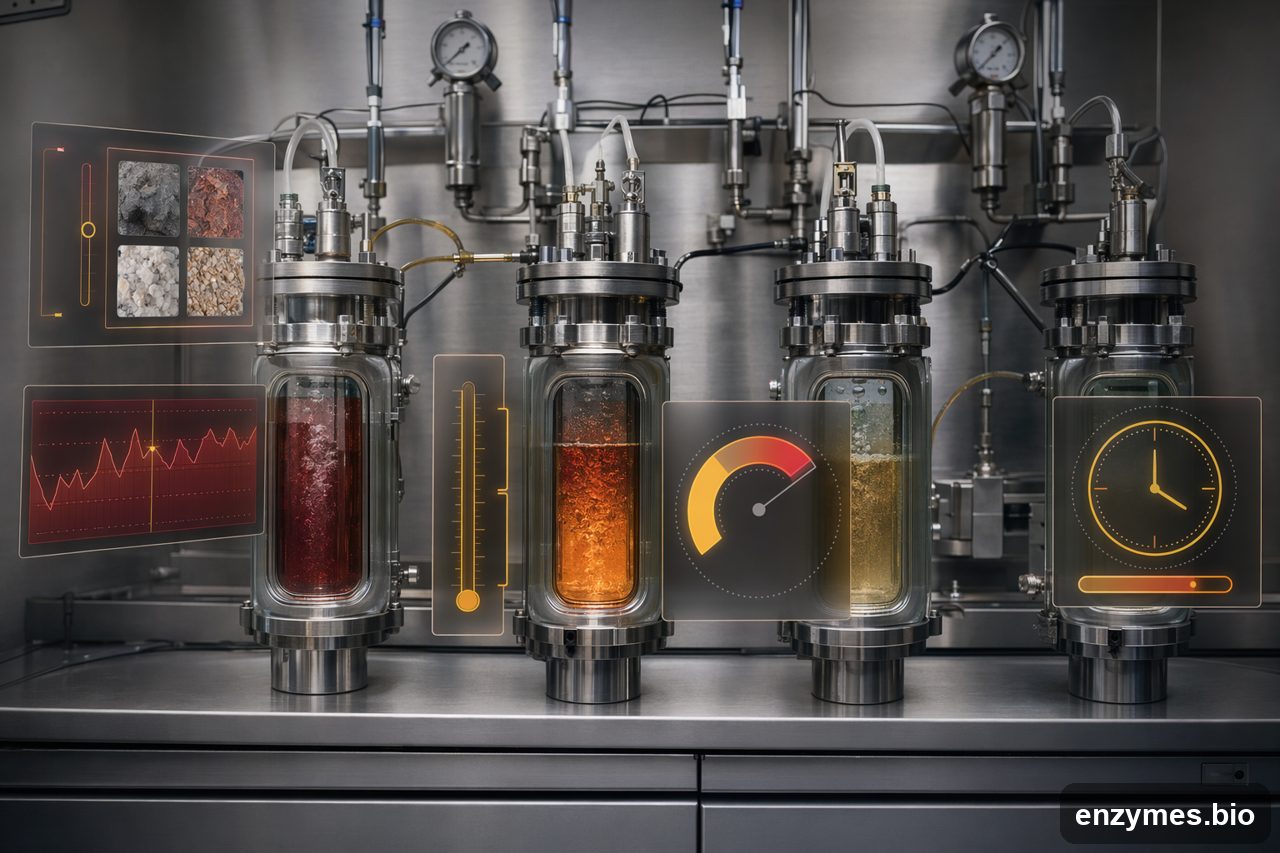
Pepsin performance depends heavily on the structure and origin of the protein. Collagen-rich material behaves differently from dairy proteins, fish substrates, or mixed animal proteins. Ask whether the intended pepsin grade has been used in similar matrices and whether the supplier can support a rational starting range for your trial design.
Pepsin is selected because it works in controlled acidity. Your trial should document:
Small shifts in pH control can change the hydrolysis profile. Treat acidity as a process variable, not background chemistry.
Pepsin is commonly associated with animal-derived sourcing. For B2B purchase approval, confirm the source early. Your documentation review may require:
Do not leave compliance review until after bench data looks promising. Documentation gaps can delay a promising project more than process chemistry.
The physical form affects plant trials as much as enzyme behavior. Confirm whether the material is supplied as powder, granulate, liquid, or another commercial format. Evaluate:
A pepsin that performs well on the bench still has to move cleanly through your plant.
Pepsin selection should be judged beyond the reaction vessel. Track what happens after treatment:
The correct enzyme choice often reveals itself downstream.
A disciplined bench trial does not need to be complicated. It does need controls.
Run a compact matrix that includes:
Keep all non-enzyme variables stable unless the purpose is to test them.
Bench teams often measure only the primary analytical target. For scale-up, also record the operational behavior:
These observations save time when the project moves into a pilot tank.
Before issuing a larger purchase order, confirm the trial data answers plant-facing questions.
A useful quote request gives enough context to match the right pepsin grade without revealing confidential formulas. Include:
You do not need to disclose proprietary formulations to begin a serious technical conversation.
{{< video id="choosing-pepsin-industrial-trials" title="Choosing Pepsin for Industrial Trials" type="faceless-explainer" >}}
Use this checklist before opening a pepsin evaluation.
If those boxes are covered, the trial is less likely to become a chemistry exercise with no purchasing path.
Share the application, substrate, and trial scale. We will respond with grade-fit guidance, documentation availability, and pricing for your evaluation route.
Prefer a concise procurement route? Use the same form and write get pricing in the application field with your substrate and required documentation.
Tell us your application and target volume — we reply with pricing, lead time, and CoA/SDS documentation.