Technical Reference
How Pepsin Works in Acidic Proteolysis
A technical guide to pepsin mechanism, low-pH proteolysis, substrate behavior, and industrial reasons to specify Pepsin (Aspartic Endopeptidase) for controlled protein processing.
Technical Reference
A technical guide to pepsin mechanism, low-pH proteolysis, substrate behavior, and industrial reasons to specify Pepsin (Aspartic Endopeptidase) for controlled protein processing.
Pepsin is selected when protein processing needs to happen in acid, not around it. As an aspartic endopeptidase, pepsin cleaves internal peptide bonds under low-pH conditions where many other proteases lose practical value. That makes it useful in controlled hydrolysis programs, collagen and gelatin modification, dairy-adjacent protein treatment, savory hydrolysate development, and other industrial processes where acidity is part of the design.
Mordant frames pepsin as a controlled-acidity tool: precise enough for targeted protein reduction, robust enough for process environments, and practical for teams balancing sensory profile, viscosity, solubility, filtration behavior, and downstream handling.
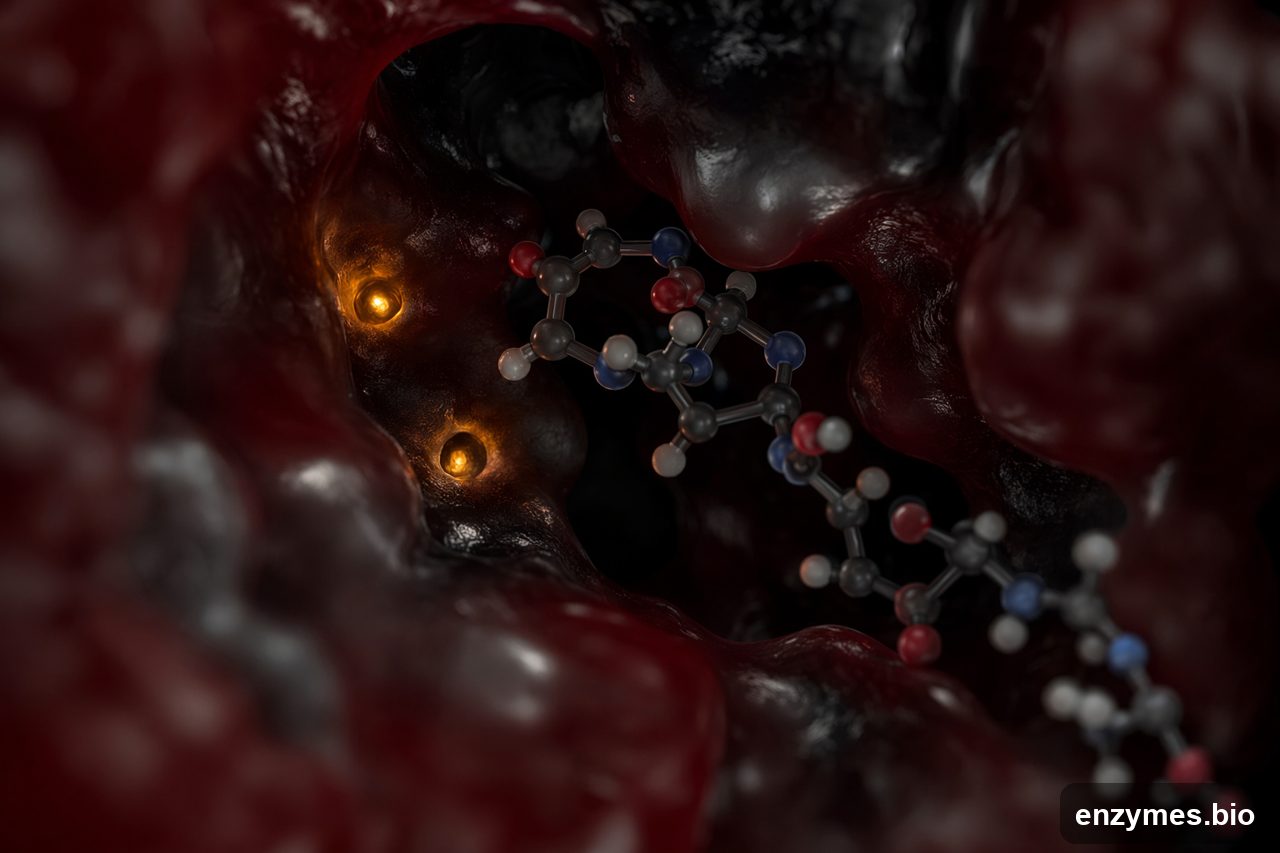
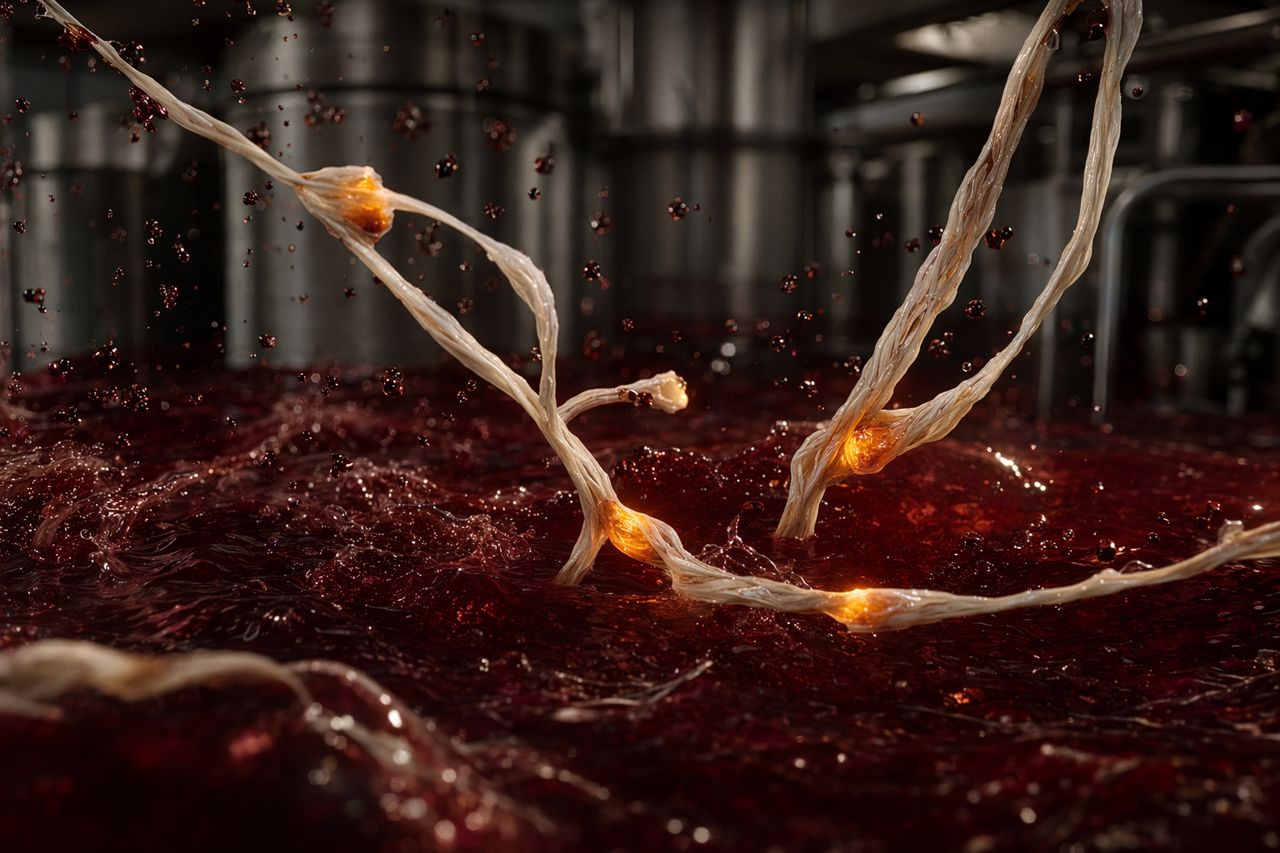
Pepsin works by using two catalytic aspartate residues in its active site to attack peptide bonds inside a protein chain. It is most effective in acidic systems, where substrate proteins are often partially unfolded and more accessible. Instead of shaving amino acids from the ends of a chain, pepsin cuts within the chain, producing smaller peptides and changing the functional behavior of the protein system.
For industrial buyers, the point is not the textbook mechanism alone. The value is what that mechanism does in a tank: lower molecular weight distribution, modified texture, improved dispersion, adjusted solubility, reduced viscosity, and more predictable conversion in processes that are already acid-controlled.
Pepsin is built for acidity. In a low-pH environment, the enzyme's catalytic geometry and charge state support proteolytic action, while many protein substrates become more open to cleavage. This combination is why pepsin often performs best when acidification is not a temporary inconvenience but a core process condition.
The result is a proteolysis step that can be tightly staged: acidify, dose, hold, monitor conversion, then stop or transition into the next operation.
Pepsin is an endopeptidase. It cuts peptide bonds within protein chains rather than removing terminal residues one at a time. Its preferences are strongest near hydrophobic and aromatic amino acid regions, although real-world performance depends on substrate structure, pretreatment, temperature profile, pH control, solids level, mixing, and residence time.
In process terms, pepsin can move a protein system from intact or high-molecular-weight material toward a more fragmented peptide profile. That shift can influence:
Pepsin is not a blunt acid digestion step. It is an enzymatic cut pattern operating inside an acidic envelope.
Acidification and thermal history can expose susceptible regions of a protein. Once exposed, those regions become accessible to pepsin. This is why upstream conditioning often determines whether a hydrolysis step feels sharp and efficient or slow and inconsistent.
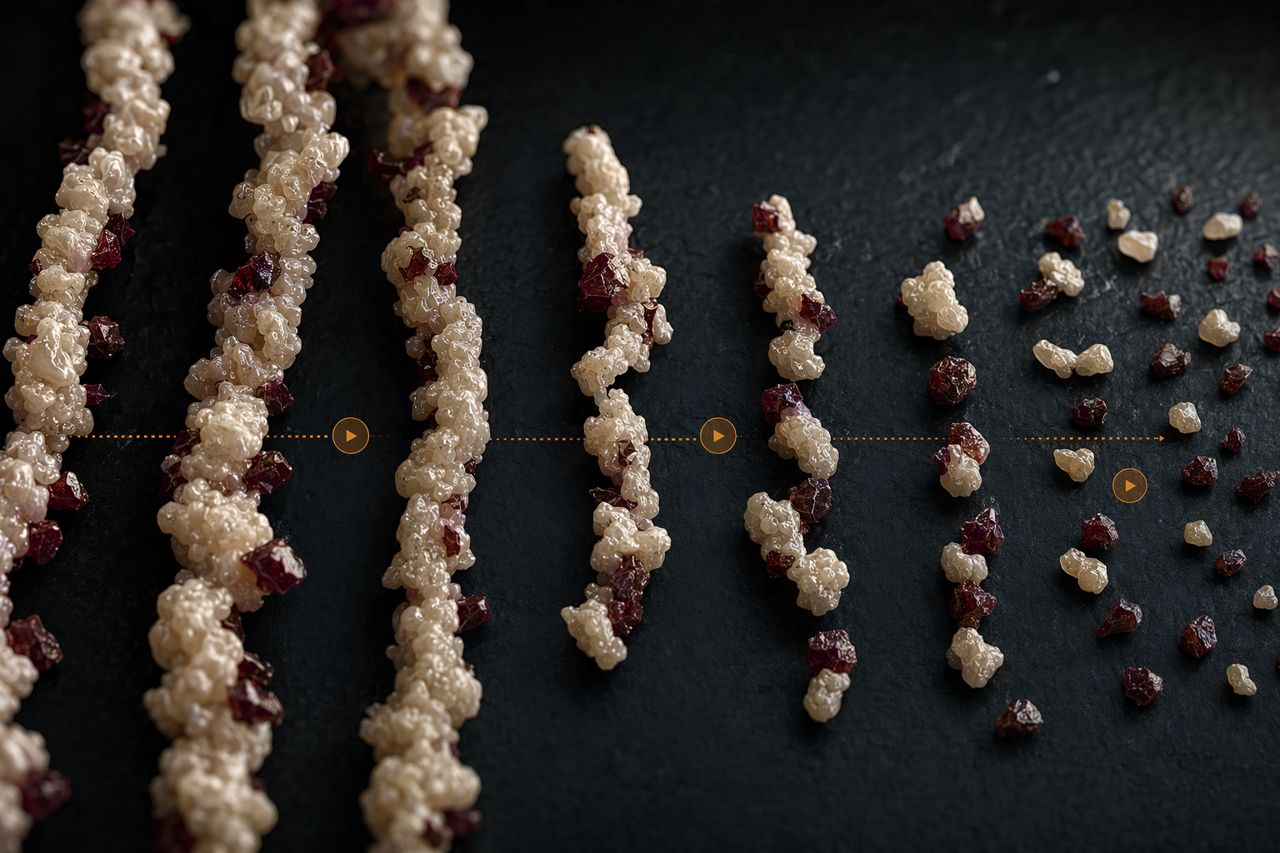
As cleavage proceeds, intact proteins and larger fragments move toward smaller peptides. The degree and distribution of that shift are process-dependent. Procurement and R&D teams should specify desired functional outcome rather than chase a generic digestion label.
Proteolysis can reduce viscosity, improve dispersion, alter gel response, or make a material easier to pump, filter, spray dry, or blend. In industrial settings, these handling advantages can matter as much as composition.
Pepsin action can be controlled by pH shift, heat treatment, residence time, substrate concentration, or downstream separation. The best process designs identify the stop condition before scale-up, not after the first production deviation.
Pepsin is typically evaluated when the target process is acidic and protein-rich. Common B2B use cases include:
The decision to specify pepsin usually starts with one question: does the substrate need to be hydrolyzed under acidic conditions without neutralizing the entire process?
Pepsin performance is governed by the full process envelope, not by enzyme choice alone.
pH is the primary control lever. Pepsin is selected for acidic work, but the exact setpoint and drift control influence cleavage rate, peptide pattern, and reproducibility.
Protein source, particle size, prior heat exposure, denaturation state, and solids loading all affect how easily pepsin reaches cleavage sites.
Longer contact and warmer operating conditions can intensify hydrolysis, but they also affect sensory profile, material stability, and downstream handling. The useful target is controlled conversion, not maximum breakdown.
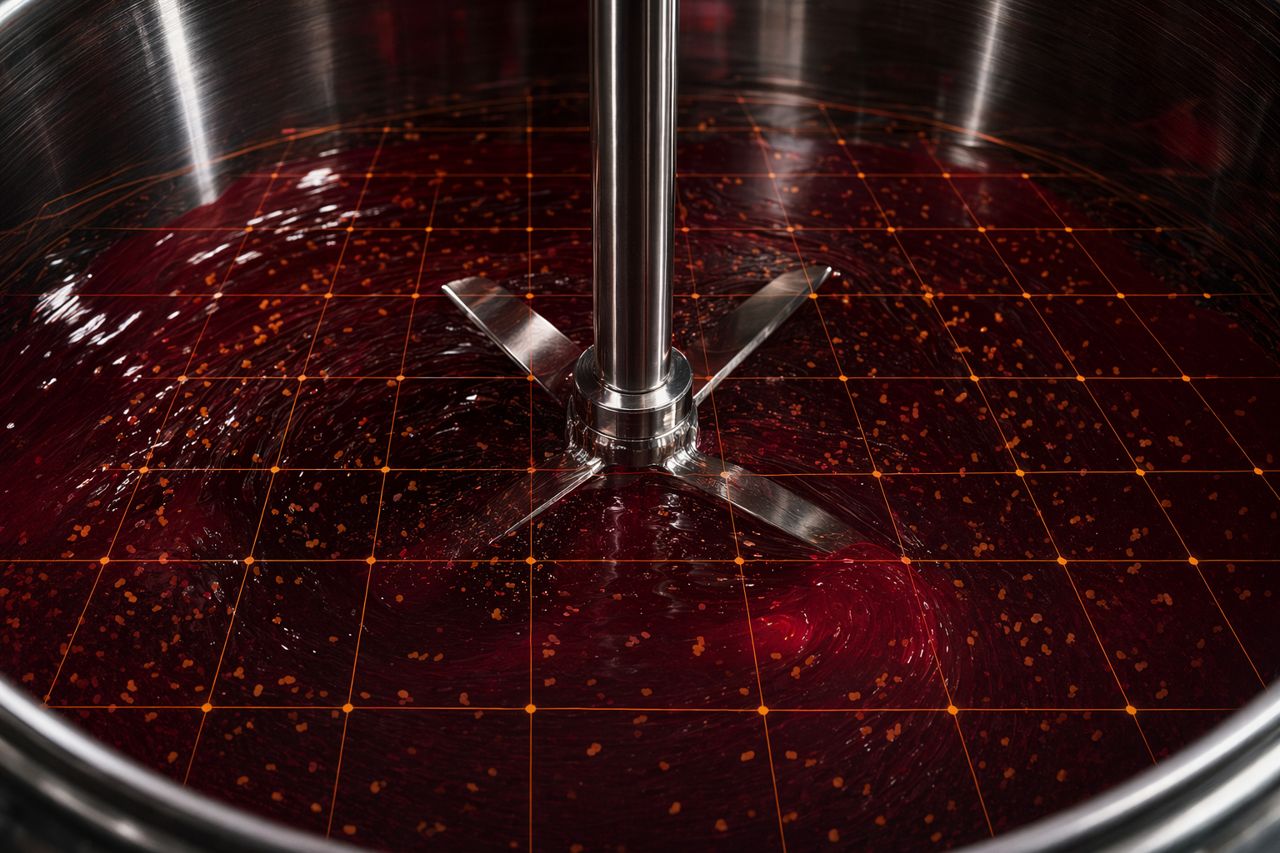
Acidic protein slurries can be viscous, heterogeneous, or foam-prone. Good mixing prevents local over-treatment and supports repeatable hydrolysis.
Termination can be achieved through pH adjustment, heat treatment, separation, dilution, or process transition. The stop method should be compatible with the finished ingredient or intermediate.
Neutral and alkaline proteases are powerful tools, but they are not always the right fit. Pepsin is chosen when low pH is not negotiable.
| Selection factor | Why pepsin is relevant |
|---|---|
| Acidic process design | Operates where neutral proteases may underperform |
| Protein unfolding in acid | Uses exposed cleavage regions created by acid conditions |
| Endopeptidase action | Produces internal fragmentation rather than terminal trimming |
| Process control | Can be staged through pH, time, temperature, and stop conditions |
| Functional modification | Supports changes in viscosity, solubility, texture, and handling |
For commercial use, pepsin sourcing should be matched to the application, regulatory market, and plant reality. Before quoting, align on:
The more precisely the process is described, the cleaner the recommendation.
A successful bench result does not automatically transfer to production. During scale-up, teams should pay attention to acid addition sequence, enzyme dispersion, tank geometry, heat-up and cool-down timing, foam management, and sampling location. In acidic proteolysis, local pH gradients can produce uneven conversion long before a lab sample suggests a problem.
For production reliability, define the process in stages:
Pepsin is most valuable when the desired product is not simply hydrolyzed, but hydrolyzed in a controlled acidic environment. If the process can run at neutral pH without compromising function, another protease may be more efficient. If acidity is essential to the substrate, safety profile, flavor architecture, or downstream operation, pepsin becomes a strong candidate.
Share your substrate, process pH range, target outcome, preferred format, and expected volume. Mordant will respond with fit guidance and pricing for pepsin matched to your production context.
Tell us your application and target volume — we reply with pricing, lead time, and CoA/SDS documentation.