Pepsin in Digestive Enzyme Formulations | Acid-Phase Protease Guidance
Technical guidance for using Pepsin (Aspartic Endopeptidase) in nutraceutical digestive enzyme formulations, with focus on low-pH protein hydrolysis, compatibility, specification control, and sourcing.
Pepsin is not a general-purpose protease. It is an acid-phase proteolytic enzyme selected when a formulation is designed around low-pH protein hydrolysis and a gastric-like use environment. For nutraceutical and supplement developers, that specificity is the point: pepsin brings controlled cleavage of protein substrates under acidic conditions, with formulation decisions driven by pH profile, dosage format, companion ingredients, and finished-product stability.
This page is written for formulation scientists, process engineers, and procurement teams evaluating Pepsin (Aspartic Endopeptidase) as an ingredient for digestive enzyme products without relying on medical or therapeutic claims.
Why pepsin is used in digestive enzyme concepts
Pepsin is an aspartic endopeptidase associated with protein hydrolysis in acidic conditions. In supplement formulation work, it is typically considered when the product architecture calls for early-stage protein cleavage in a low-pH environment rather than broad neutral-pH protease positioning.
For B2B product teams, pepsin is useful because it supports:
Acid-phase formulation logic for products designed around gastric-like conditions
Protein substrate targeting where peptide bond cleavage is the desired technical function
Compact enzyme blends where pepsin complements enzymes selected for later pH ranges
Clear label architecture when the role of each enzyme is defined by substrate and pH window
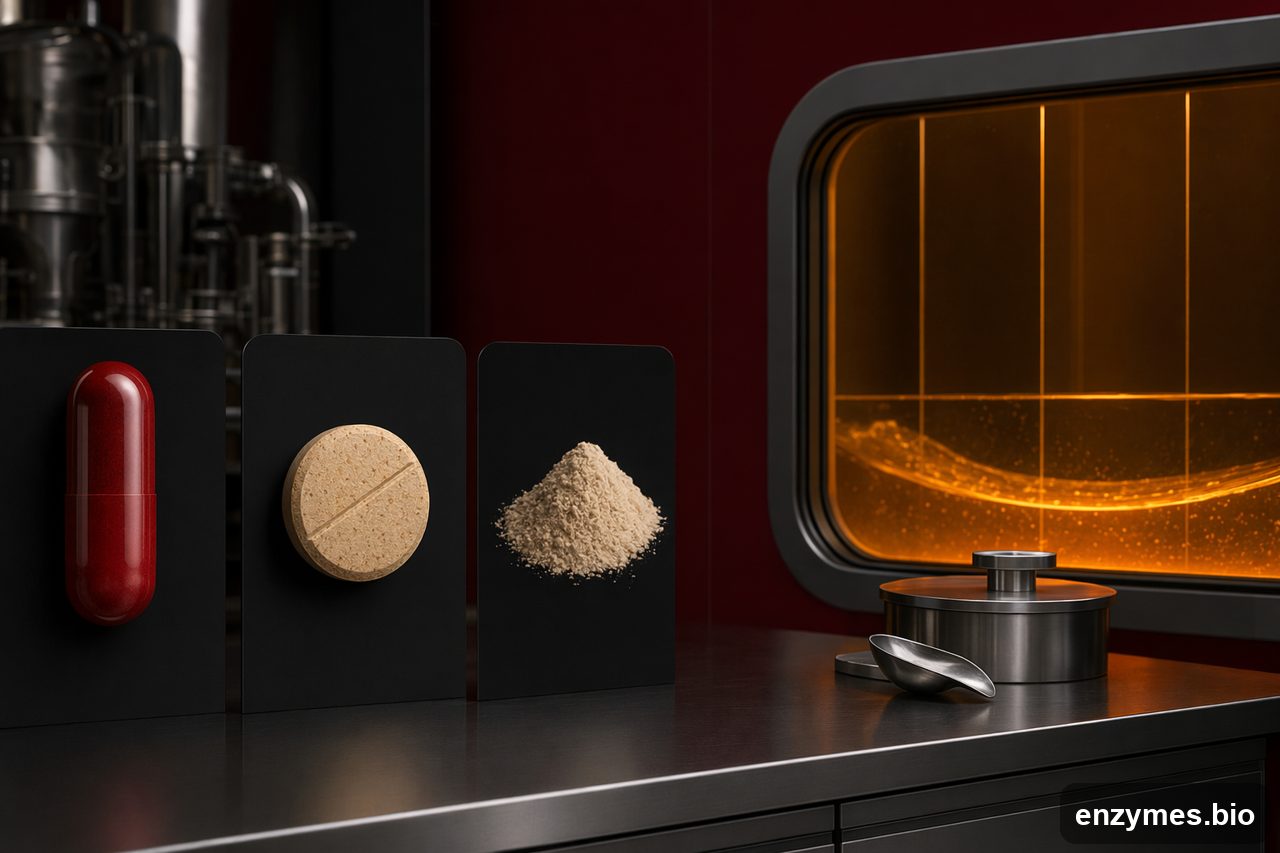
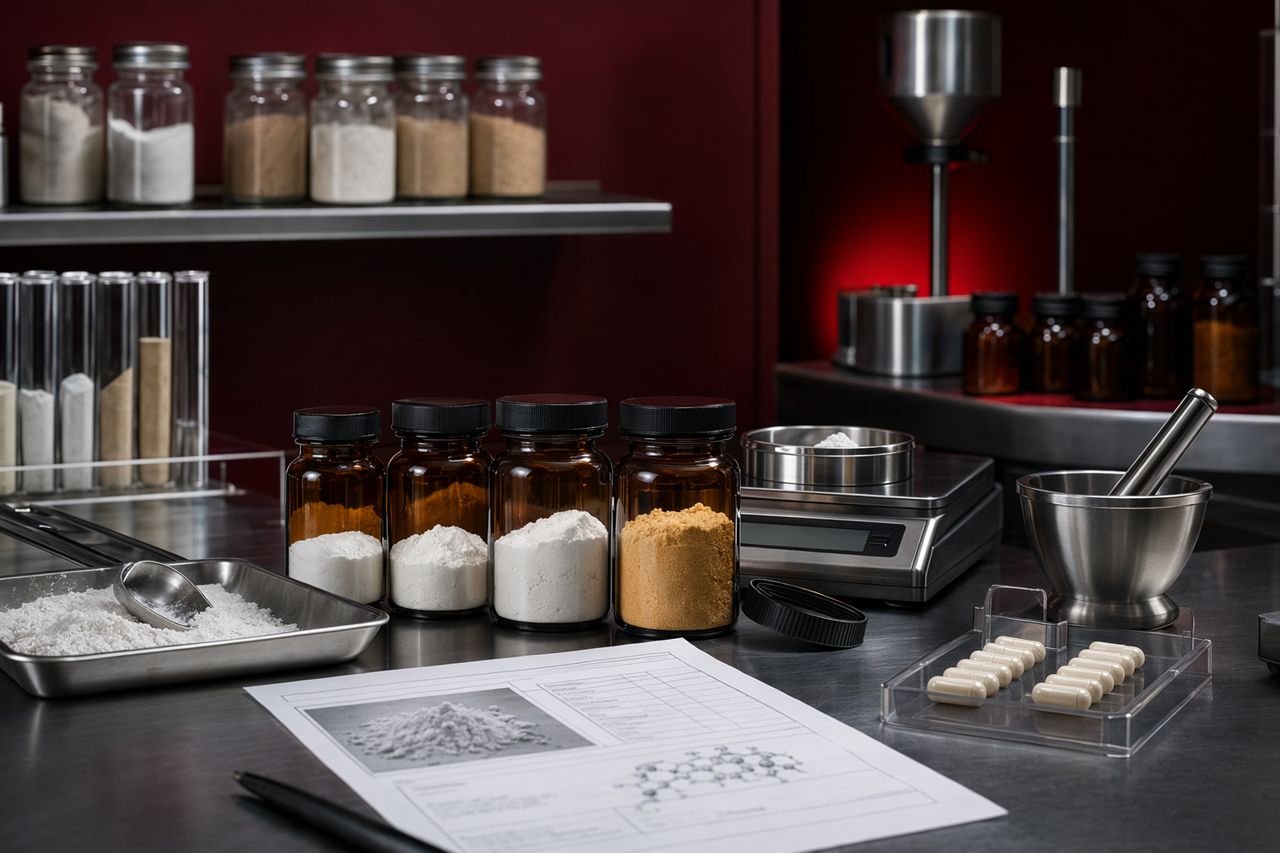
Processable formats including capsules, tablets, powders, sachets, and multi-enzyme blends
The strongest formulations do not treat pepsin as a decorative enzyme line item. They define where it works, what substrate class it addresses, and how the finished product protects it until use.
Controlled acidity is the design constraint
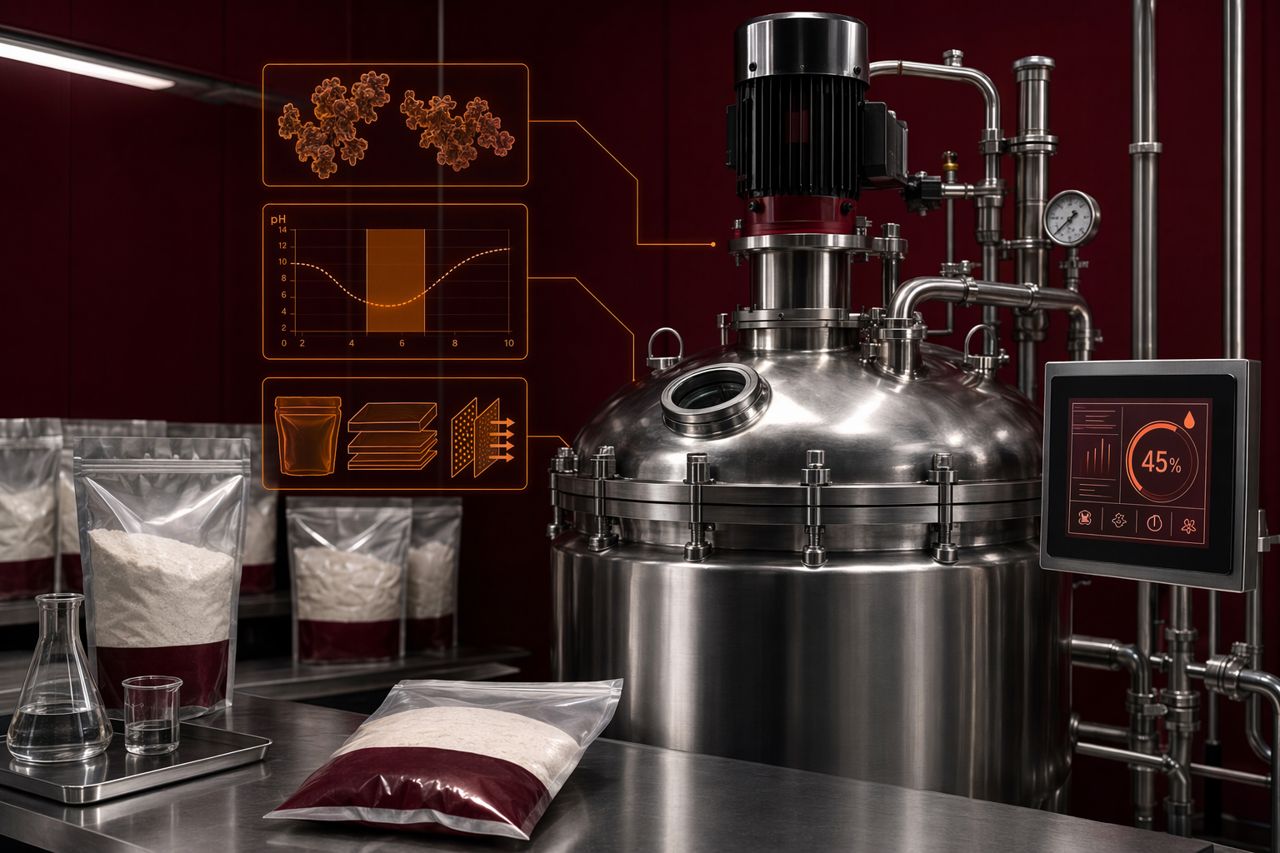
Pepsin performance is tied to acidic conditions. That makes pH strategy more than a technical footnote; it is the center of the formulation.
Key design questions include:
What pH environment is the formula built around?
Pepsin is most relevant when the product concept assumes low-pH exposure. If the product relies on neutral or alkaline conditions, other protease systems may carry more of the functional load.
What happens before the product reaches its intended use environment?
Heat, moisture, compression force, and aggressive excipients can reduce enzyme integrity before the consumer ever opens the bottle.
Is pepsin paired with enzymes that require different pH conditions?
Multi-enzyme products often span several pH windows. Pepsin can sit in the acid-phase position while other proteases, lipases, amylases, or carbohydrases support different substrate and pH targets.
Does the product format protect the enzyme?
Capsules, tablets, and powders expose enzymes to different risks. Moisture control and excipient discipline matter.
Formulation formats
Capsules
Capsules are often the cleanest route for pepsin-containing digestive enzyme formulas because they avoid high compression forces and can simplify moisture management. Capsule blends still require attention to flow, segregation, hygroscopic ingredients, and fill-weight consistency.
Practical considerations:
Use low-moisture excipient systems where possible
Avoid unnecessary mineral loads that may alter the local microenvironment
Confirm blend uniformity across the run
Validate packaging against humidity exposure
Tablets
Tablets can work, but pepsin should be treated as a compression-sensitive biological ingredient. Granulation method, binder selection, dwell time, and compression force should be reviewed before scale-up.
Practical considerations:
Minimize heat and water exposure during processing
Evaluate enzyme retention after compression
Avoid excipient systems that create localized pH conflict
Run pilot batches before committing to production tooling
Powders and sachets
Powders can support flexible serving designs, but they introduce moisture and compatibility challenges. Flavor systems, acids, minerals, sweeteners, and hygroscopic carriers should be screened for enzyme compatibility.
Practical considerations:
Control water activity
Screen flavors and acids for compatibility
Use moisture-protective packaging
Confirm stability under intended storage conditions
Compatibility in multi-enzyme blends
Pepsin is commonly evaluated alongside other digestive enzyme classes, but compatibility should be engineered rather than assumed.
Common blend architecture may include:
Pepsin for acid-phase protein hydrolysis positioning
Neutral or alkaline proteases for broader proteolytic coverage across different pH conditions
Amylase for starch-focused formulations
Lipase for fat substrate positioning
Lactase, cellulase, hemicellulase, or other carbohydrases depending on the product concept
The technical question is not whether more enzymes can fit on a label. The question is whether each enzyme has a defined substrate role, survives the manufacturing process, and remains compatible through shelf life.
Specification priorities for procurement
Procurement teams should evaluate pepsin as a technical ingredient, not only as a commodity line item. Price only becomes meaningful after the grade, documentation, origin, and supply assumptions are clear.
Request and compare:
Ingredient identity and proper enzyme nomenclature
Source and origin documentation
Allergen position and dietary suitability statements
Microbiological and contaminant specifications
Heavy metal limits appropriate to the product category
Residual solvent or processing-aid statements when relevant
Country-of-origin and traceability information
Batch documentation and certificate availability
Packaging format, shelf-life basis, and storage requirements
Lead times, minimum order quantities, and continuity planning
For pepsin, consistency matters. A low-cost lot that forces reformulation, relabeling, or delayed production is not low cost.
Stability and handling
Pepsin should be protected from avoidable stress throughout receiving, storage, blending, and packaging. Stability programs should be built around the finished product, not just the raw material.
Recommended controls:
Store sealed material under supplier-recommended conditions
Limit exposure to humidity during weighing and blending
Avoid unnecessary process heat
Review compatibility with acids, minerals, flavors, colors, and binders
Use packaging that supports the intended shelf-life claim
Validate retained performance in the final formula and final pack
Finished-product validation is essential because excipient systems, processing conditions, and packaging choices can shift real-world performance.
Claim discipline for digestive enzyme products
Pepsin can support a digestive enzyme formulation concept, but claims must be handled carefully. Product teams should separate technical ingredient function from consumer-facing claim language.
A compliant development workflow should:
Define pepsin by enzyme class and substrate role
Avoid disease, treatment, or cure language
Avoid implying guaranteed physiological outcomes
Review structure/function language by market and jurisdiction
Maintain substantiation files for any consumer-facing statements
Align labels, websites, sales sheets, and distributor materials
Mordant frames pepsin as an acid-phase protease ingredient for protein-processing formulation design. The finished-product claim strategy belongs in your regulatory review process.
When pepsin is a strong fit
Pepsin is worth evaluating when your formula requires:
Low-pH protease positioning
Protein-focused digestive enzyme architecture
A clean role inside a multi-enzyme blend
Supplement formats where ingredient identity and technical function must be clear
Procurement documentation suitable for commercial production
A supply partner able to support specification, lot review, and scale planning
It may be a poor fit when the product concept is built entirely around neutral-pH protease action, high-heat processing, high-moisture delivery, or claim language that overextends the ingredient’s technical role.
Development checklist
Before moving pepsin into a commercial formula, confirm:
Target product format and serving architecture
Intended pH logic of the formula
Companion enzymes and excipients
Moisture exposure during production and storage
Packaging barrier requirements
Label naming and claim review path
Raw material documentation requirements
Pilot-batch performance and shelf-life plan
Procurement lead time and supply continuity
Request pricing and technical fit
If you are building a pepsin-containing digestive enzyme formula, Mordant can support grade selection, documentation review, and commercial supply planning.
Prefer a direct commercial starting point? Use the form above to get pricing, documentation availability, and lead-time guidance for pepsin supply.