Technical Reference
Pepsin FAQ for B2B Protein Processing Buyers
Practical answers on pepsin sourcing, low-pH performance, specification review, formulation fit, handling, and purchasing for industrial protein processing.
Technical Reference
Practical answers on pepsin sourcing, low-pH performance, specification review, formulation fit, handling, and purchasing for industrial protein processing.
Pepsin is not a general-purpose protease. It is an acid-active aspartic endopeptidase selected when a process needs controlled protein cleavage at low pH, with predictable performance in acidic matrices and downstream compatibility.
This FAQ is built for formulation scientists, process engineers, technical buyers, and procurement teams evaluating pepsin for industrial protein modification, extraction support, hydrolysate production, specialty food processing, collagen and gelatin workflows, and research-adjacent manufacturing applications.
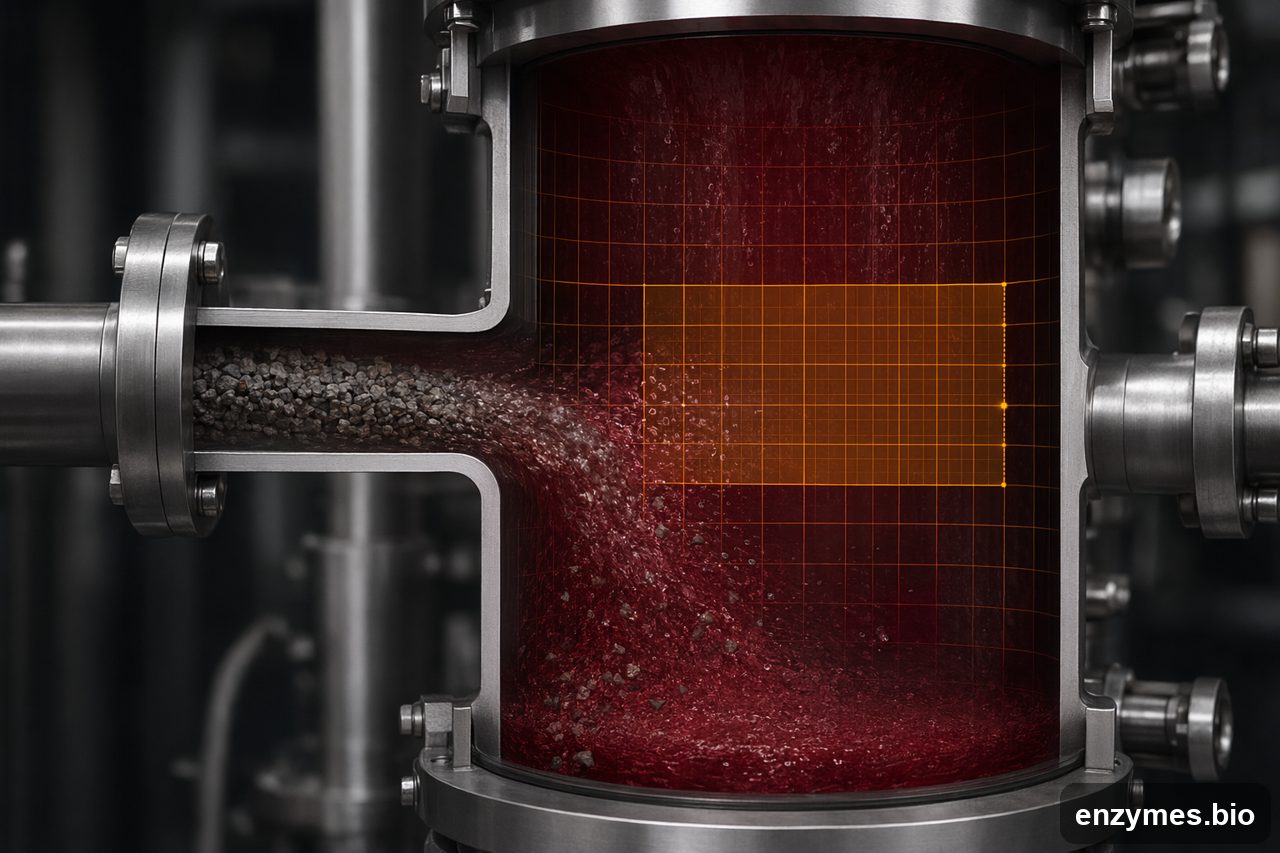
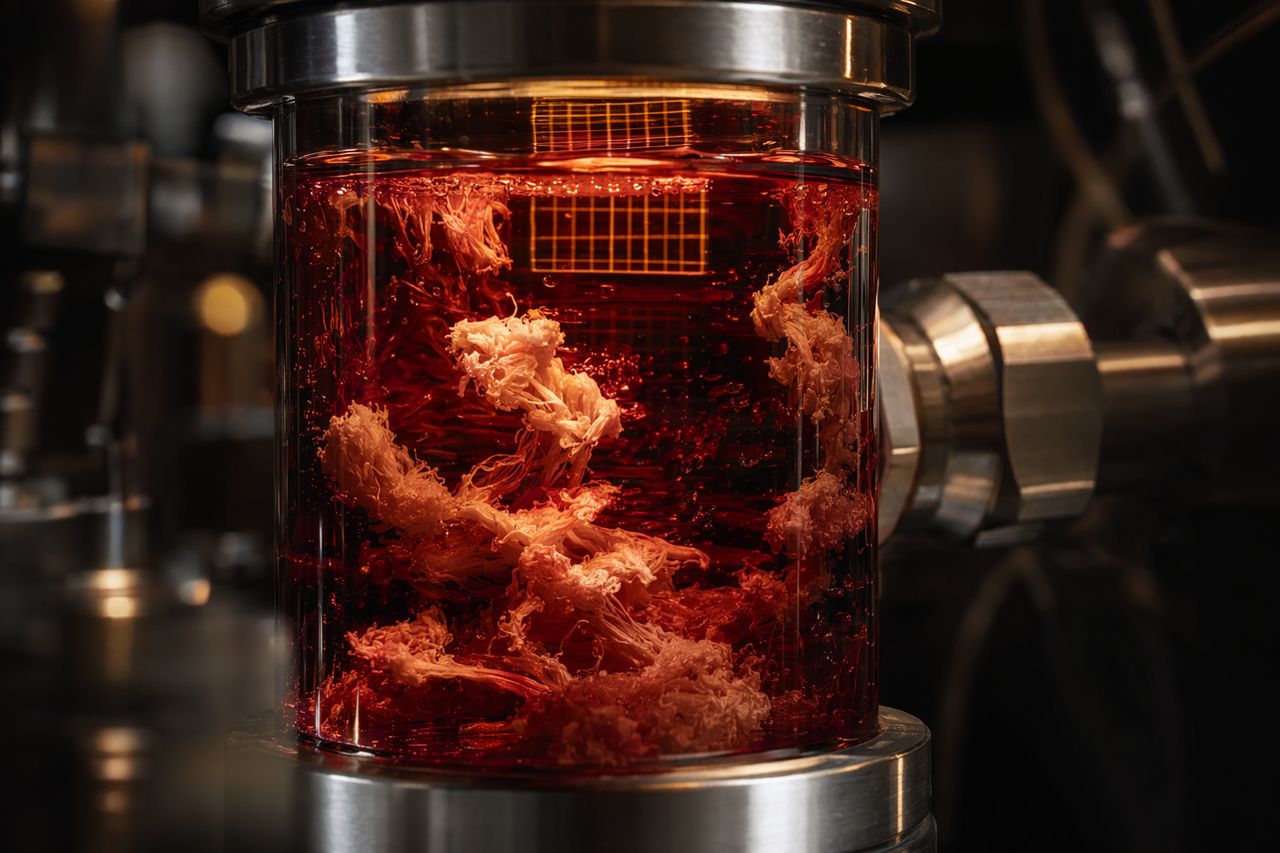
Pepsin is a proteolytic enzyme that cleaves proteins under acidic conditions. More precisely, Pepsin (Aspartic Endopeptidase) acts inside protein chains rather than only trimming terminal amino acids. That makes it useful when the goal is to reduce protein size, expose functional fragments, alter solubility, support extraction, or create a defined hydrolysis profile.
For B2B use, pepsin is evaluated less as a generic enzyme and more as a process tool: it performs best when acidity, substrate concentration, temperature, mixing, and residence time are controlled together.
Pepsin is commonly evaluated in processes involving acid-stage protein conversion or modification. Application areas may include:
The correct fit depends on the substrate and process objective. A pepsin program should begin with the target outcome: solubility shift, viscosity reduction, fragment profile, extraction efficiency, texture change, or downstream filtration improvement.
Pepsin is selected because it works in acidic conditions. Its strongest value is in low-pH workflows where many neutral proteases are inefficient or inactive.
In practical terms, buyers should define:
Avoid specifying pepsin only by catalog description. The process pH profile matters more than a single target number.
Temperature affects reaction speed, enzyme stability, substrate accessibility, and final hydrolysis profile. Higher temperature can accelerate protein cleavage, but excessive heat exposure may reduce enzyme performance or create unwanted substrate changes.
For scale-up, confirm the actual thermal history of the process, including:
Small deviations can produce different hydrolysis behavior, especially in viscous protein systems.
Pepsin is relevant for many animal, marine, dairy, and certain alternative protein matrices, provided the material can be processed under acidic conditions. It is often considered when the protein structure is dense, fibrous, partially insoluble, or difficult to extract without proteolysis.
Substrate factors to review before requesting a quote:
A material that performs well in a beaker may behave differently in a jacketed reactor, scraped-surface system, or continuous acid loop. Share the real process conditions early.
Commercial pepsin is commonly associated with animal-origin sourcing, though exact origin, grade, and documentation depend on the supply program. If origin is critical for your product, regulatory file, labeling position, customer requirements, or regional compliance, confirm it before sampling.
Ask for documentation relevant to your purchasing context, such as:
Do not assume one pepsin grade can substitute for another without documentation review.
Pepsin may be supplied in different grades depending on intended use, purity requirements, processing standards, and documentation depth. The main purchasing distinction is not simply “stronger” versus “weaker.” It is whether the grade matches your regulatory, process, and formulation constraints.
When comparing grades, review:
Procurement should align technical approval and quality approval before negotiating commercial volumes.
Powder formats are often preferred for storage efficiency, shelf-life management, and shipment economics. Liquid formats can be useful when closed dosing, fast dispersion, or automated feed systems are priorities.
Choose based on your plant reality:
| Format | Practical advantage | Watch point |
|---|---|---|
| Powder | Compact storage and flexible batch dosing | Requires dust control, dispersion planning, and moisture protection |
| Liquid | Easier metering into closed systems | Requires preservative, microbial, and temperature management review |
| Custom blend | Can simplify operator handling | Must be validated against the target substrate and process window |
The best format is the one operators can dose accurately and consistently under production conditions.
Pepsin addition should support fast, uniform contact with the protein substrate while avoiding localized over-concentration or pH shock. In many systems, pre-dispersion into compatible process liquid improves distribution.
Process engineers should define:
For high-solids or viscous substrates, enzyme distribution can be the limiting factor rather than enzyme selection.
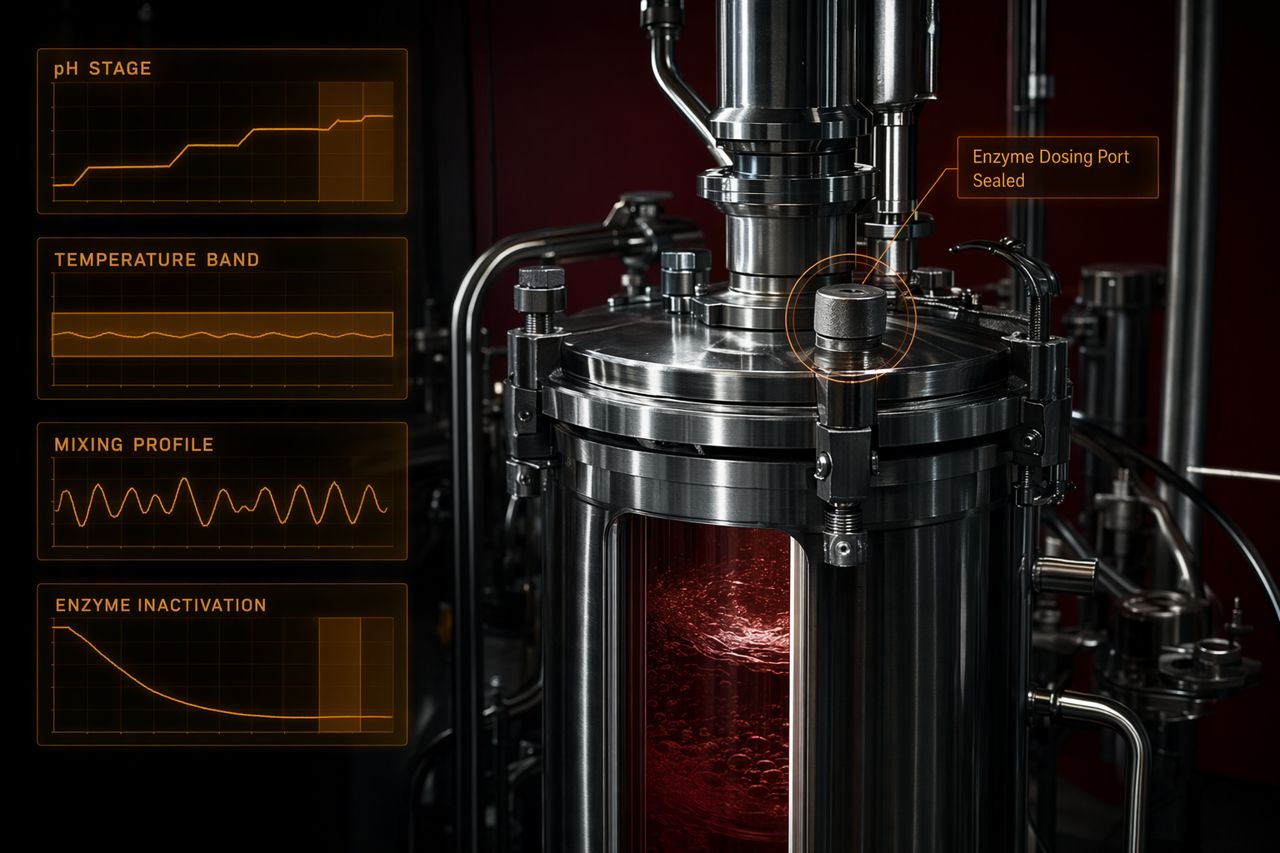
Pepsin is commonly controlled by changing process conditions after the desired reaction window has been reached. Inactivation strategy may involve pH adjustment, heat treatment, separation, dilution, or a validated combination depending on the product and plant design.
The inactivation step should be validated against the actual process, not assumed from lab behavior. Confirm that the final product meets functional, regulatory, and stability requirements after inactivation.
Yes, in some workflows. Pepsin can be used as part of a staged enzyme program, especially when acid proteolysis is followed by neutralization and additional processing. However, sequence matters.
Before combining enzymes, confirm:
Multi-enzyme systems can improve yield or functionality, but they require tighter process control.
Do not compare pepsin only on price per kilogram. For industrial buyers, the lowest apparent cost may create higher cost in dosing variability, rework, downtime, documentation gaps, or failed customer qualification.
Evaluate suppliers on:
A serious supplier should be able to discuss process fit without over-disclosing proprietary assay details.
A useful quote request includes enough technical context to match the grade and packaging format. You do not need to disclose your full formulation, but you should provide the operating boundaries.
Include:
If your process has confidentiality constraints, provide ranges and non-identifying substrate descriptions. The goal is to avoid mismatched sampling.
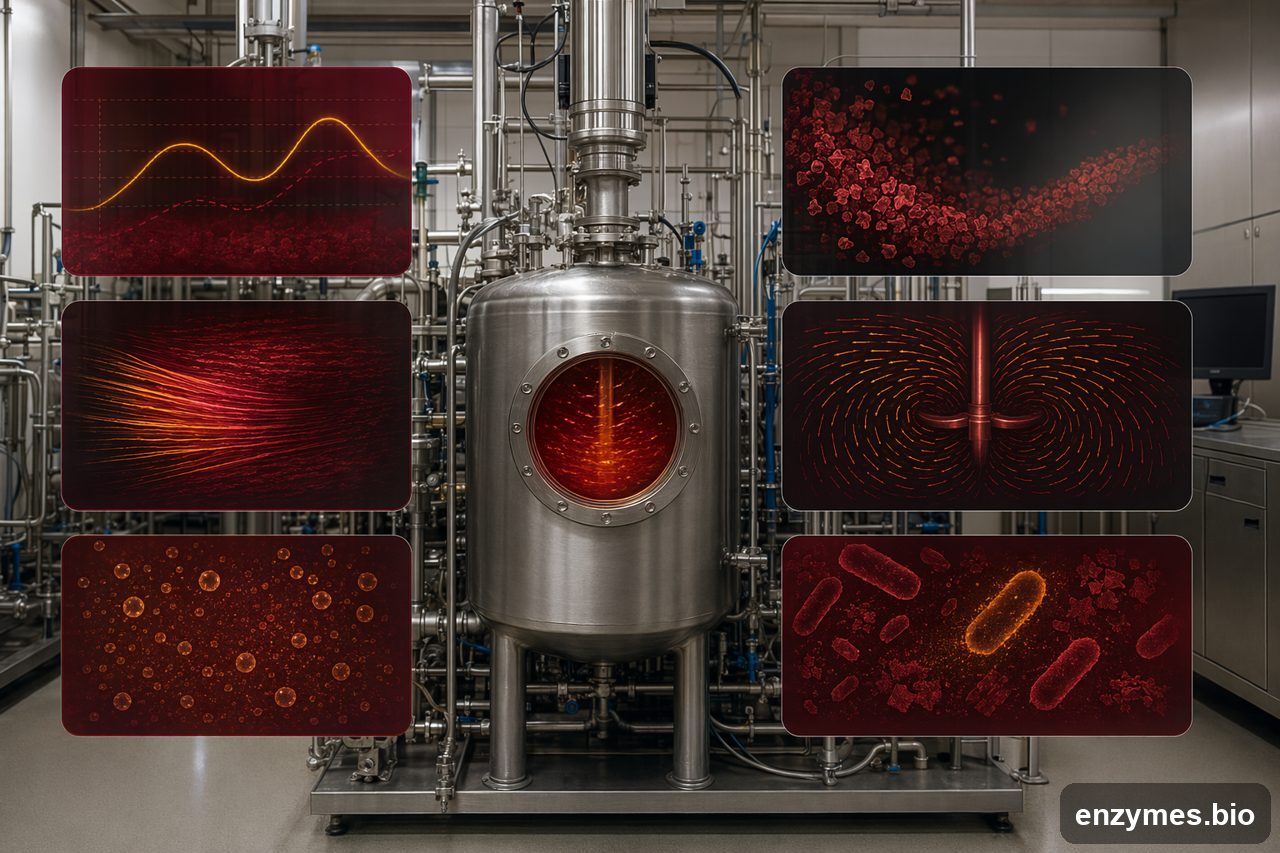
Most performance variation comes from process conditions rather than enzyme identity. Common causes include:
In controlled-acidity systems, the enzyme is only one part of the performance equation. The acid profile, mixing geometry, and substrate condition are equally important.
Storage recommendations depend on the specific grade and format, but pepsin should generally be protected from moisture, heat, contamination, and unnecessary exposure during production handling.
Good industrial practice includes:
Always follow the product-specific safety data sheet and site handling procedures.
Pepsin may be available in food-appropriate grades, but suitability depends on origin, regulatory status, local market requirements, and the final product application. Buyers should not assume suitability from the enzyme name alone.
Request the relevant compliance documentation before pilot work if the output is intended for food, ingredient, or feed-adjacent channels.
Some pepsin grades may be evaluated in highly controlled manufacturing environments, but technical fit and regulatory suitability are grade-specific. Requirements can include deeper traceability, tighter impurity control, change notification expectations, and quality agreements.
If your intended use is regulated, state this at the beginning of the inquiry so the correct documentation path is considered.
A useful pepsin trial should be designed around measurable outcomes, not only visible digestion. Define success before adding enzyme.
Recommended trial structure:
The best lab condition is not always the lowest cost condition. Scale-up reliability matters.
Procurement should align with technical and quality teams on these points:
For recurring production, request a supply plan rather than a single spot price.
Use the form below to request pricing, samples, or technical fit review for an industrial pepsin application. Share ranges where exact formulation details are confidential.
Pepsin is best used for controlled protein cleavage in acidic process conditions where substrate modification, solubility change, extraction support, or hydrolysate generation is required.
Pepsin is not selected for neutral or alkaline processing. It is valued for performance in acidic process windows.
Performance depends on pH, temperature, substrate type, solids level, mixing, contact time, enzyme format, and inactivation strategy.
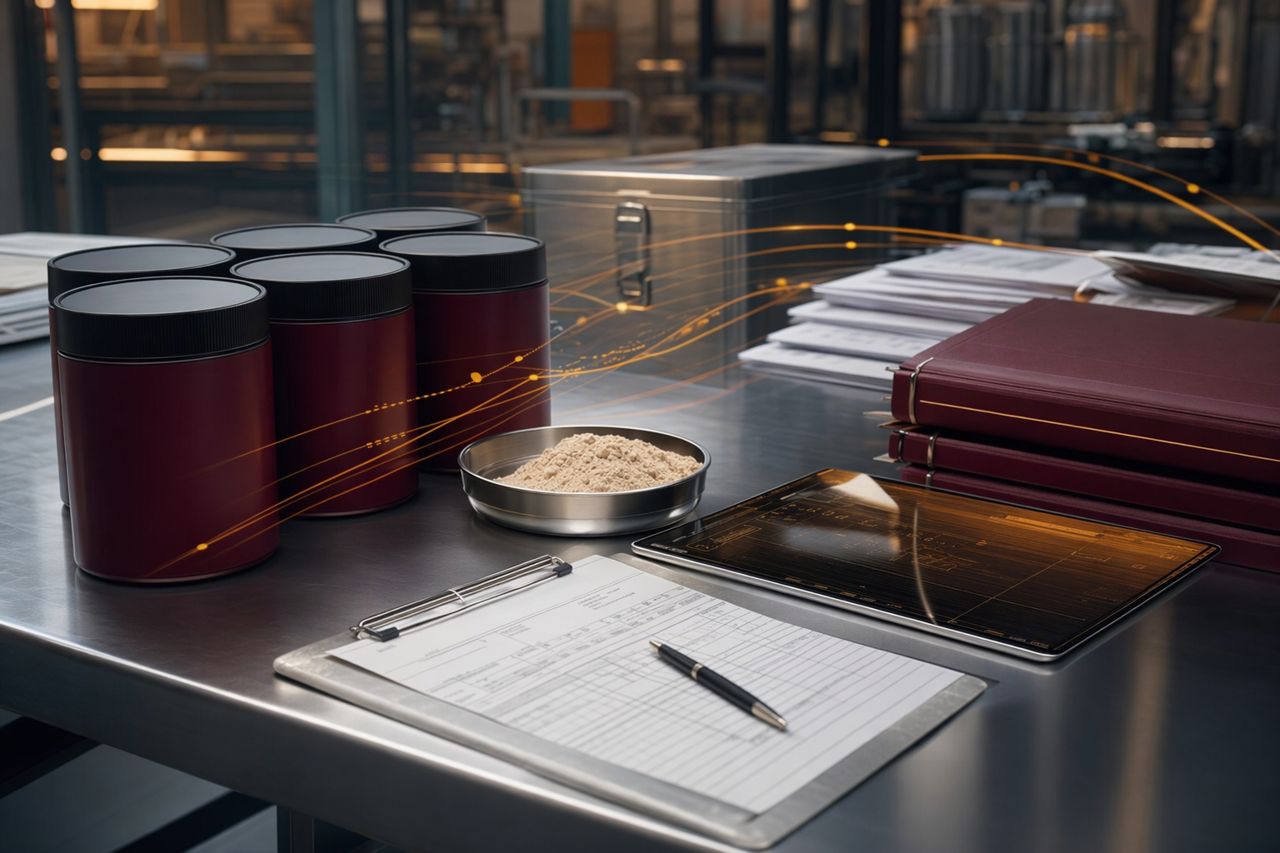
Buyers should request grade information, origin documentation, specification details, storage requirements, packaging options, batch documentation, and support for trial-to-scale continuity.
Yes. Provide operating ranges, substrate category, target outcome, documentation needs, and volume estimate. Confidential formulation details can remain protected.
Tell us your application and target volume — we reply with pricing, lead time, and CoA/SDS documentation.