Pepsin for Protein Hydrolysate Production | Controlled Low-pH Proteolysis
Technical guide to using pepsin in protein hydrolysate production, including low-pH process control, substrate fit, peptide profile targets, downstream handling, and B2B sourcing criteria.
Pepsin is a low-pH protease used when protein processing needs controlled cleavage under acidic conditions. For hydrolysate manufacturers, that matters: acid-compatible proteolysis can simplify substrate preparation, improve solubilization, support defined peptide profiles, and fit neatly into processes where neutral or alkaline conditions are not ideal.
Mordant positions pepsin for industrial protein hydrolysate work where precision, repeatability, and sourcing clarity matter as much as enzymatic performance.
Why pepsin is used for hydrolysates
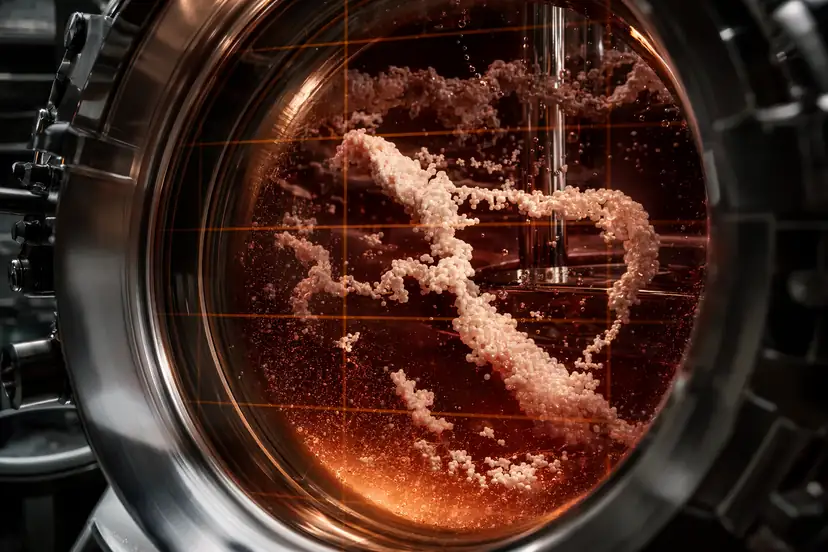
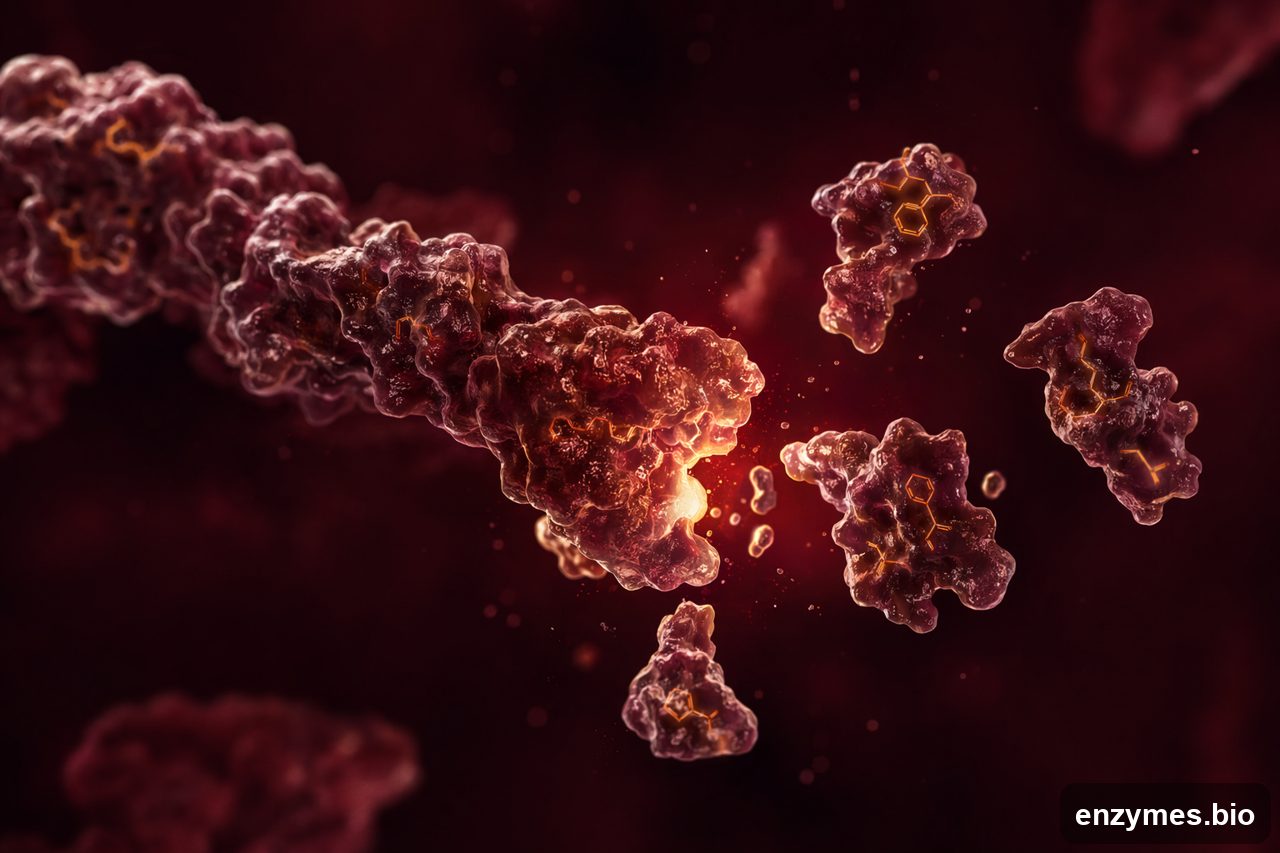
Pepsin is an aspartic endopeptidase with strong performance in acidic systems. It preferentially cleaves internal peptide bonds in protein chains, often near hydrophobic and aromatic amino acid residues. In practical terms, it can convert intact proteins into smaller peptide fractions while operating in a low-pH environment.
For B2B hydrolysate producers, pepsin is commonly evaluated when the process requires:
Acidic protein solubilization before or during hydrolysis
Controlled reduction of molecular weight
Peptide generation without shifting into neutral or alkaline pH
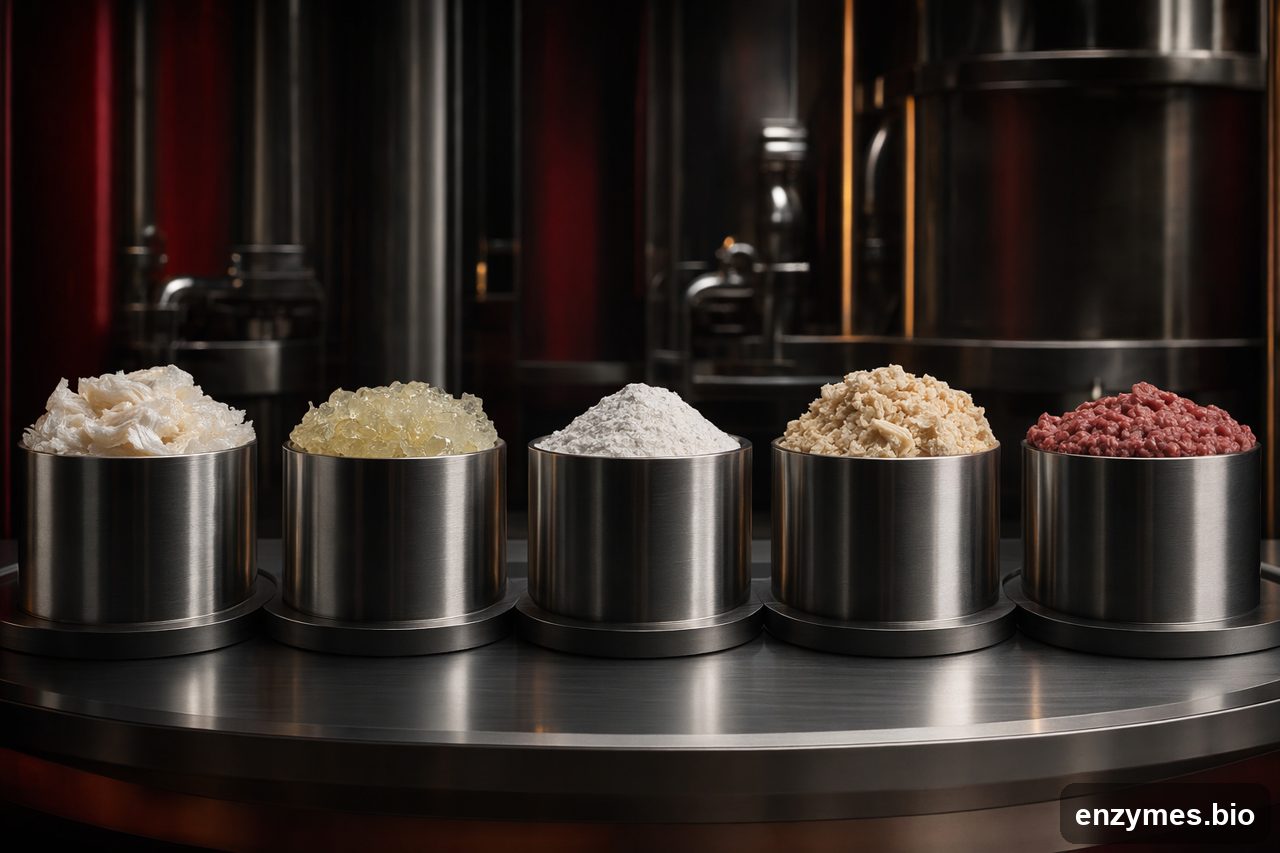
Compatibility with collagen, gelatin, casein, fish, meat, and other protein substrates
A clean process route before filtration, concentration, or drying
A defined enzymatic step that can be stopped by heat treatment or pH adjustment
What pepsin contributes to hydrolysate quality
Hydrolysate quality is not defined by enzyme choice alone. It is built through substrate condition, pH, temperature, enzyme addition strategy, hold time, agitation, and termination point. Pepsin gives formulators and process teams a sharp tool inside that system.
Peptide profile control
Pepsin acts internally on protein chains, helping reduce large proteins into smaller peptides. By adjusting process time, substrate loading, acidity, and enzyme ratio, manufacturers can steer the hydrolysis profile toward partial digestion, moderate breakdown, or more extensive peptide generation.
Acid-process compatibility
Because pepsin performs under low-pH conditions, it can be used where acidic extraction, acid swelling, or acid stabilization is already part of the manufacturing route. This can reduce unnecessary pH cycling and simplify process logic.
Solubility and functionality
Protein hydrolysis can improve solubility, dispersibility, and downstream handling. Pepsin is especially relevant when the target is a peptide ingredient, savory base, fermentation nutrient, collagen-derived fraction, or functional protein intermediate rather than an intact protein concentrate.
Process containment
Low-pH operation can support tighter process control and may help manage unwanted microbial pressure during the hydrolysis stage. Pepsin also offers a clear shutdown path through thermal treatment or pH transition, depending on the matrix and downstream requirements.
Typical substrate fit
Pepsin may be considered across a range of protein hydrolysate workflows:
Collagen and gelatin for peptide fractions and modified functionality
Casein and dairy proteins where acid-stage hydrolysis is desired
Fish and marine proteins for peptide ingredients and flavor bases
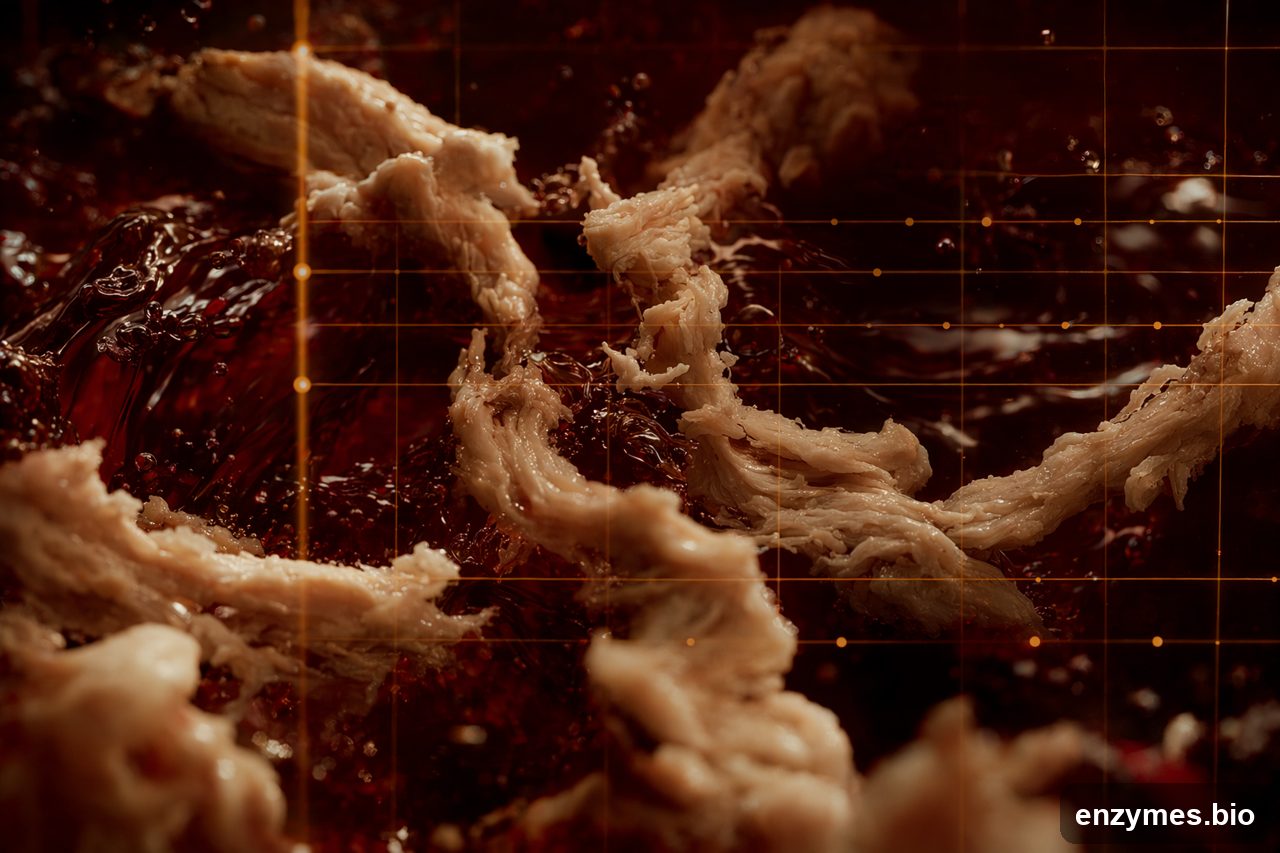
Meat and connective tissue proteins for savory, nutritional, or technical hydrolysates
Protein byproduct valorization where controlled acid hydrolysis improves yield or handling
Substrate preparation is critical. Particle size, hydration, fat level, ash content, prior heat exposure, and mineral load can all influence enzyme access and final hydrolysate behavior.
Process design considerations
pH management
Pepsin is selected for acidic systems. The practical operating range should be validated against the specific substrate, target peptide profile, corrosion constraints, and downstream neutralization plan. Inconsistent pH control can produce uneven hydrolysis and batch variability.
Temperature profile
Temperature affects reaction speed, solubility, microbial control, and enzyme stability. Process engineers should balance faster cleavage against the risk of excessive denaturation, viscosity changes, or downstream filtration challenges.
Hydrolysis endpoint
The endpoint should be defined by the product objective, not by time alone. Common industrial indicators include viscosity shift, soluble nitrogen release, molecular weight distribution, sensory profile, filtration behavior, and final powder functionality.
Enzyme inactivation
Pepsin activity is typically terminated through heat, pH shift, or a combined process step. The shutdown method should be designed around product stability, downstream equipment, and required residual activity limits.
Downstream handling
After hydrolysis, the process may include clarification, centrifugation, membrane filtration, concentration, drying, blending, or agglomeration. Pepsin-generated hydrolysates should be evaluated for filterability, color, odor, ash contribution, and powder flow.
Where pepsin fits in a hydrolysate line
A typical pepsin-based hydrolysate process may follow this sequence:
Raw protein inspection and preparation
Hydration, dispersion, or acid swelling
pH and temperature adjustment
Pepsin addition under controlled agitation
Timed hydrolysis to the defined endpoint
Enzyme inactivation by validated process step
Solid-liquid separation or clarification
Concentration, drying, and final blending
Quality release against agreed specifications
The exact process depends on substrate and target ingredient format. Pepsin is not a universal shortcut; it is a specific acid-phase proteolysis tool.
Buyer and procurement criteria
When sourcing pepsin for protein hydrolysate manufacturing, technical and commercial teams should confirm:
Enzyme origin and regulatory suitability for the intended market
Food, feed, technical, or other grade alignment
Carrier or excipient profile
Lot-to-lot consistency expectations
Microbiological and contaminant controls
Allergen and animal-origin documentation where relevant
Packaging format and storage requirements
Shelf-life and stability under warehouse conditions
Documentation support for audits and customer files
Lead time, minimum order quantity, and supply continuity
For industrial hydrolysate projects, the right pepsin supply is not just a catalog item. It is a repeatable input into a controlled process.
Development notes for formulation teams
Pepsin trials should begin with a clearly defined product target. Decide whether the desired outcome is improved solubility, reduced viscosity, peptide generation, flavor development, functional modification, or yield improvement. Then design the hydrolysis step around measurable outcomes.
Recommended evaluation points include:
Substrate pre-treatment and hydration behavior
Acid addition method and pH stability
Reaction viscosity over time
Soluble fraction yield
Molecular weight distribution
Bitterness or flavor impact where applicable
Heat stability after inactivation
Filtration rate and fouling tendency
Final powder moisture behavior and flow
This is where pepsin performs best: not as a generic protease, but as a controlled-acidity instrument for protein conversion.
Request pricing or technical fit guidance
If you are developing, scaling, or resourcing a pepsin-based hydrolysate process, Mordant can support specification alignment, documentation review, and quote preparation.
FAQ
Is pepsin suitable for all protein hydrolysates?
No. Pepsin is best suited to acidic hydrolysis systems and substrates where low-pH proteolysis supports the target peptide profile or process design. Neutral or alkaline proteases may be better for other hydrolysate types.
Can pepsin be used before another enzyme?
Yes, in some workflows. Pepsin can be used as an acid-phase pre-hydrolysis step before a second enzymatic stage, provided the pH transition and enzyme compatibility are validated.
How is pepsin stopped after hydrolysis?
Common termination strategies include heat treatment, pH adjustment, or both. The correct method depends on the substrate, product format, and downstream process.
What information is needed for a quote?
Useful details include application, substrate, grade requirement, target market, expected order volume, documentation needs, packaging preference, and delivery timeline.