Pepsin vs Generic Acid Protease: Low-pH Protein Processing Guide
A technical comparison of pepsin and generic acid protease for industrial protein hydrolysis, controlled-acidity processing, specification alignment, and procurement decisions.
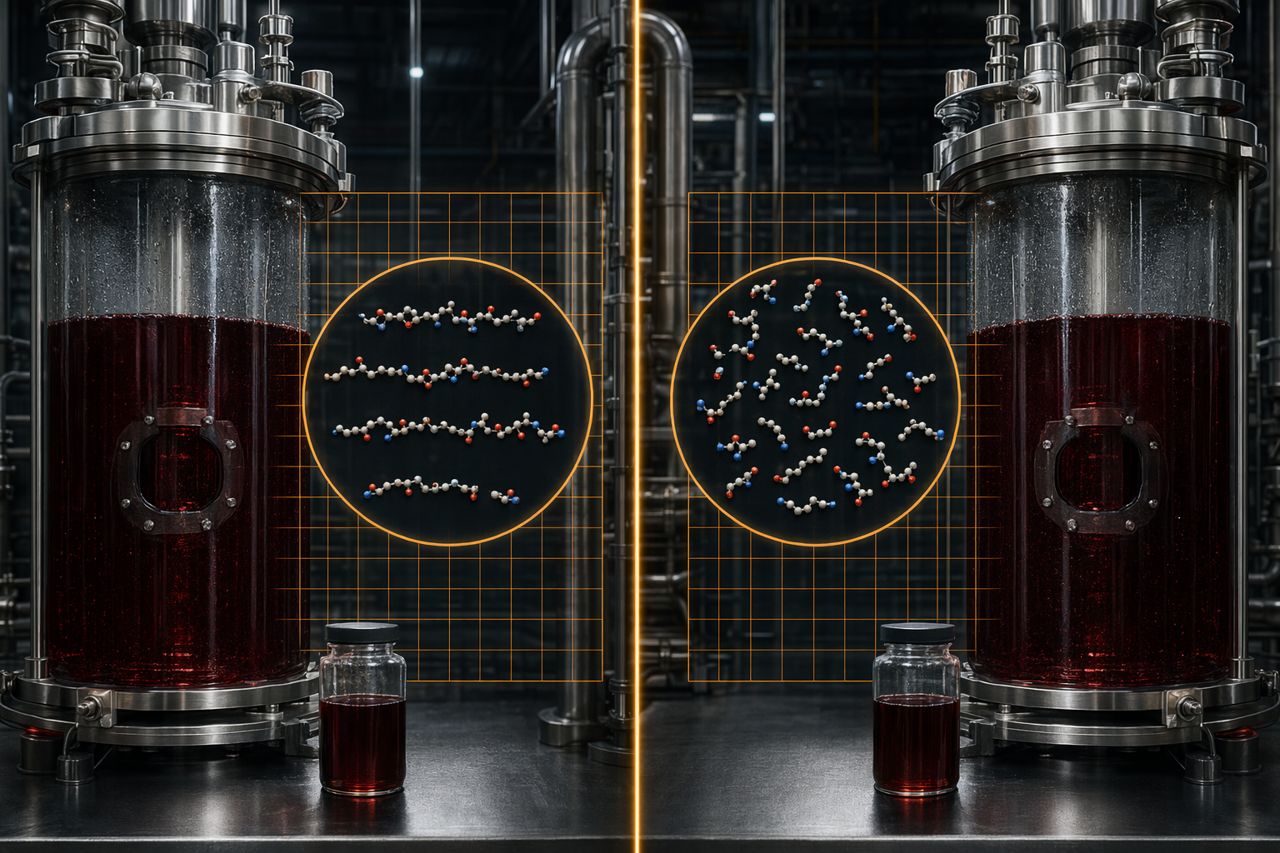
Pepsin is not simply another acid protease with a different label. It is a defined aspartic endopeptidase used when a process needs predictable cleavage behavior under strongly acidic conditions. Generic acid protease, by contrast, is a broader commercial category that can include multiple enzyme sources, side activities, and performance profiles.
For formulation scientists and process engineers, the difference matters: substrate response, hydrolysate profile, acid stability, sensory impact, and batch-to-batch control can all shift when a defined pepsin specification is replaced with a broader acid protease.
The short answer
Choose pepsin when the process is built around controlled low-pH protein modification, defined animal-derived proteolytic behavior, and a tighter hydrolysis profile.
Choose a generic acid protease when the application can tolerate broader cleavage behavior, the protein substrate is less sensitive to profile drift, or the commercial objective favors a more general acid-active protease category.
Neither is automatically superior. The correct choice depends on the substrate, pH envelope, downstream separation, labeling requirements, and target hydrolysate characteristics.
What pepsin is
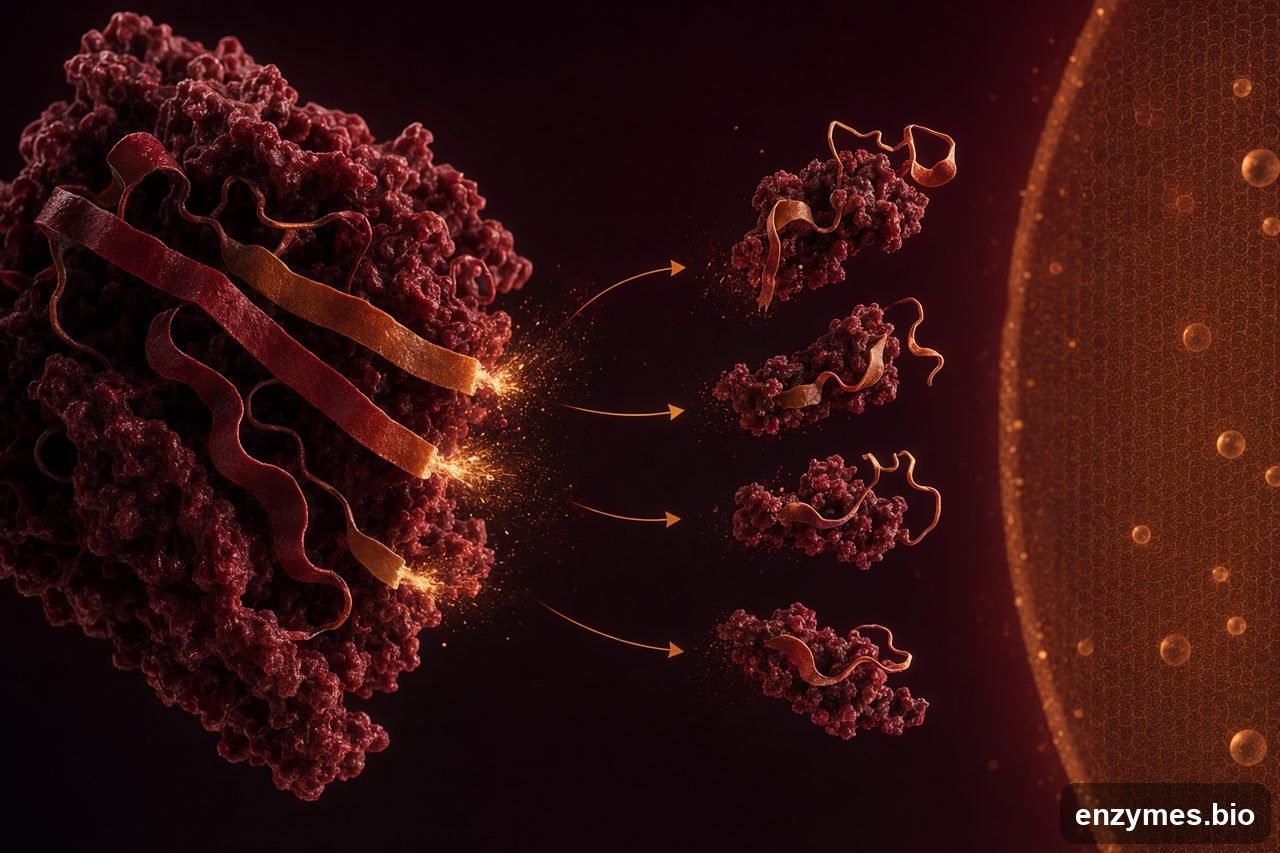
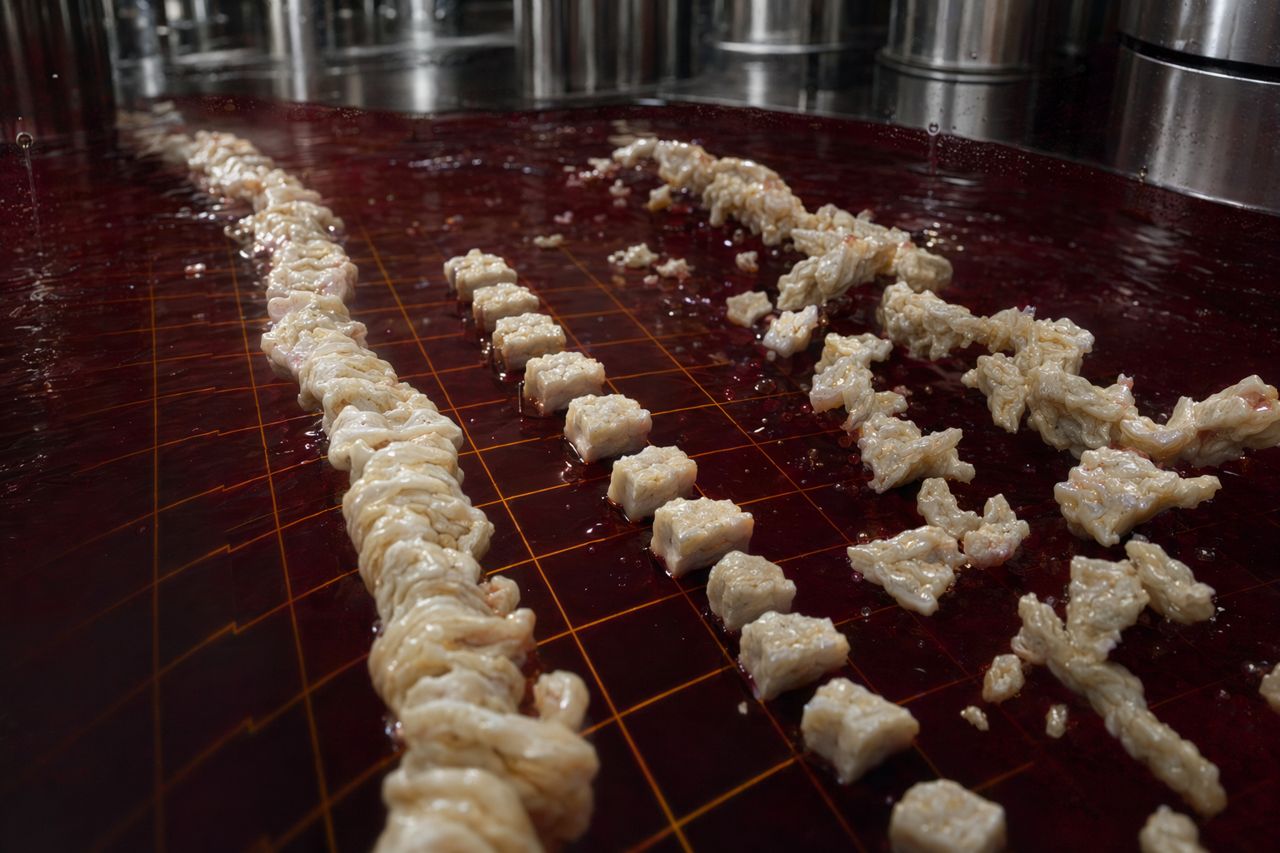
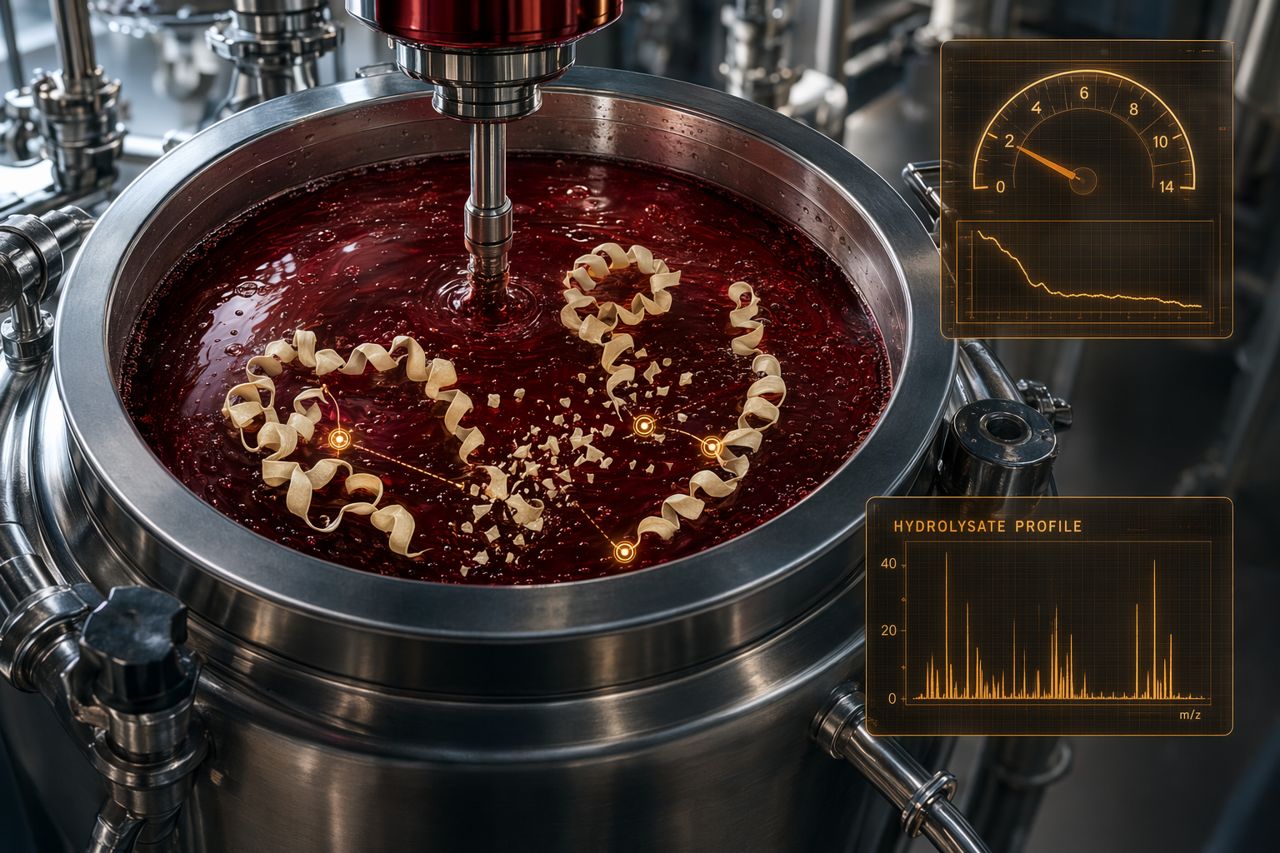
Pepsin (Aspartic Endopeptidase) is an acid-active proteolytic enzyme that cleaves internal peptide bonds in proteins. It is valued in industrial protein processing because it performs in low-pH systems where many neutral or alkaline proteases are inactive or unstable.
In practical B2B use, pepsin is selected for:
Low-pH protein hydrolysis
Controlled cleavage of animal, dairy, marine, and selected plant proteins
Collagen and gelatin modification workflows
Protein solubilization under acidic process conditions
Hydrolysate development where profile consistency is more important than maximum aggressiveness
Pepsin works best when the formulation is deliberately acidic. It is not a drop-in replacement for neutral proteases, alkaline proteases, or every acid protease on the market.
What generic acid protease means
“Acid protease” is a functional category, not a single enzyme identity. A product sold as acid protease may be microbial, fungal, animal-derived, or blended, depending on supplier and specification. It may also include a wider cleavage pattern than pepsin.
That broader category can be useful. It can also introduce uncertainty if the process was validated around a specific hydrolysis profile.
When comparing acid protease offers, procurement teams should clarify:
Enzyme source and production route
Declared enzyme identity or blend composition
Low-pH performance window
Substrate recommendations
Consistency of hydrolysate profile
Regulatory and documentation package
Country of origin and supply continuity
Packaging format, shelf-life, and storage expectations
The name “acid protease” alone is not enough to qualify a material for a controlled process.
Pepsin vs generic acid protease: technical comparison
Decision point
Pepsin
Generic acid protease
Enzyme identity
Defined aspartic endopeptidase
Category term; identity can vary
Best fit
Controlled low-pH protein cleavage
Broad acid-active protein hydrolysis
Process character
Specific, predictable, formulation-sensitive
More variable depending on source and blend
pH strategy
Built for acidic systems
Acid-active, but actual window depends on product
Hydrolysate profile
Useful where cleavage pattern matters
Useful where broader hydrolysis is acceptable
Procurement risk
Requires clear source and grade alignment
Requires deeper supplier qualification
Replacement risk
Moderate to high if profile is validated
High when switching between suppliers
When pepsin is the better choice
Pepsin is typically the stronger candidate when the process needs acidity as a control lever rather than just a condition the enzyme can survive.
Use pepsin when you need:
A defined enzyme identity for technical documentation
Protein cleavage under deliberately acidic conditions
A narrower and more predictable hydrolysate profile
Reduced risk of unexpected side activity
Reproducibility across pilot and production batches
Process development around collagen, gelatin, dairy, marine, or meat-derived proteins
Pepsin is especially relevant when downstream performance depends on fragment profile: solubility, viscosity, filtration behavior, taste impact, or compatibility with the next process step.
When a generic acid protease may be enough
A generic acid protease can be appropriate when the application is less sensitive to the exact cleavage pattern or when the hydrolysate specification is broad.
Consider generic acid protease when:
The substrate is forgiving
The target is general protein breakdown rather than a defined fragment profile
Minor performance variation is acceptable
The product specification is driven primarily by acid activity and cost position
The process has already been validated with that specific acid protease grade
The caution: one acid protease is not necessarily equivalent to another. Even if two materials are sold under the same category name, switching can change hydrolysis speed, final viscosity, flavor impact, filtration load, and yield.
Formulation and process considerations
1. pH is not just a condition — it is the control system
Pepsin performs in a low-pH environment, so pH design should be treated as part of enzyme selection. If pH drifts upward, performance can flatten. If acidity is too severe for the substrate or equipment, the process may create non-enzymatic changes that complicate the result.
For acid protease comparisons, ask whether the supplier data reflects the actual pH used in your plant process, not a generic screening condition.
2. Substrate structure changes the outcome
Native proteins, denatured proteins, collagen-rich materials, gelatin, dairy proteins, and marine proteins do not respond the same way. Pre-treatment, heat history, particle size, and solids load can all influence exposure of cleavage sites.
A pepsin-led process often benefits from disciplined substrate preparation because the enzyme is selective enough for preparation differences to show up in the final hydrolysate.
3. Downstream behavior is part of enzyme performance
A protease is not only judged by how fast it breaks protein. It is judged by what the resulting stream does next.
Track practical outcomes such as:
Solubility
Viscosity shift
Clarification behavior
Filtration load
Membrane compatibility
Bitter note development where relevant
Heat step compatibility
Final powder or liquid stability
The right enzyme is the one that supports the whole process, not only the reaction stage.
Procurement checklist
Before approving pepsin or a generic acid protease, request a specification package that covers the commercial and technical controls your team needs.
Key questions:
What is the declared enzyme identity?
Is the source animal-derived, microbial, fungal, or blended?
What substrate types does the supplier support with application guidance?
What is the recommended low-pH operating envelope?
What documentation is available for regulatory, quality, allergen, and traceability review?
What packaging sizes and storage conditions are available?
What is the standard lead time and supply plan?
Has the grade been used in comparable protein hydrolysis workflows?
What changes require customer notification?
For validated production, avoid substituting a generic acid protease for pepsin based only on price or category name. Confirm performance against your substrate and final specification.
Common substitution risk
The highest-risk assumption is that all acid-active proteases are interchangeable. They are not.
A switch from pepsin to a generic acid protease can change:
Cleavage distribution
Reaction endpoint behavior
Hydrolysate sensory profile
Clarification rate
Yield after separation
Stability during holding
Labeling or documentation requirements
A switch from one generic acid protease to another can create the same issues. Treat each grade as a distinct process input.
Practical selection rule
Use this decision logic:
If the process depends on a defined low-pH cleavage profile, start with pepsin.
If the process only requires broad protein breakdown in acid, screen acid protease grades.
If the substrate is expensive or variable, prioritize predictability over headline cost.
If downstream separation is a bottleneck, evaluate hydrolysate behavior before approval.
If documentation matters, specify enzyme identity early in procurement.
Request pricing or technical alignment
Mordant supports B2B buyers evaluating pepsin for controlled-acidity protein processing. Share your substrate, pH target, process format, packaging preference, and required documentation, and we will help align the quote to the grade and supply profile you need.
FAQ
Is pepsin the same as acid protease?
No. Pepsin is a specific aspartic endopeptidase. Acid protease is a broader category covering enzymes that function under acidic conditions.
Can generic acid protease replace pepsin?
Sometimes, but not automatically. Replacement should be validated against the actual substrate, pH profile, downstream process, and final product specification.
Why choose pepsin for protein hydrolysis?
Pepsin is useful when low-pH processing and a more controlled cleavage profile are central to the process design.
What should procurement ask before buying?
Ask for enzyme identity, source, grade documentation, packaging format, storage conditions, lead time, and application support for your substrate category.
Does the best choice depend on substrate?
Yes. Collagen-rich materials, gelatin, dairy proteins, marine proteins, and plant proteins can respond differently. Enzyme selection should be based on the target hydrolysate profile and downstream process behavior.